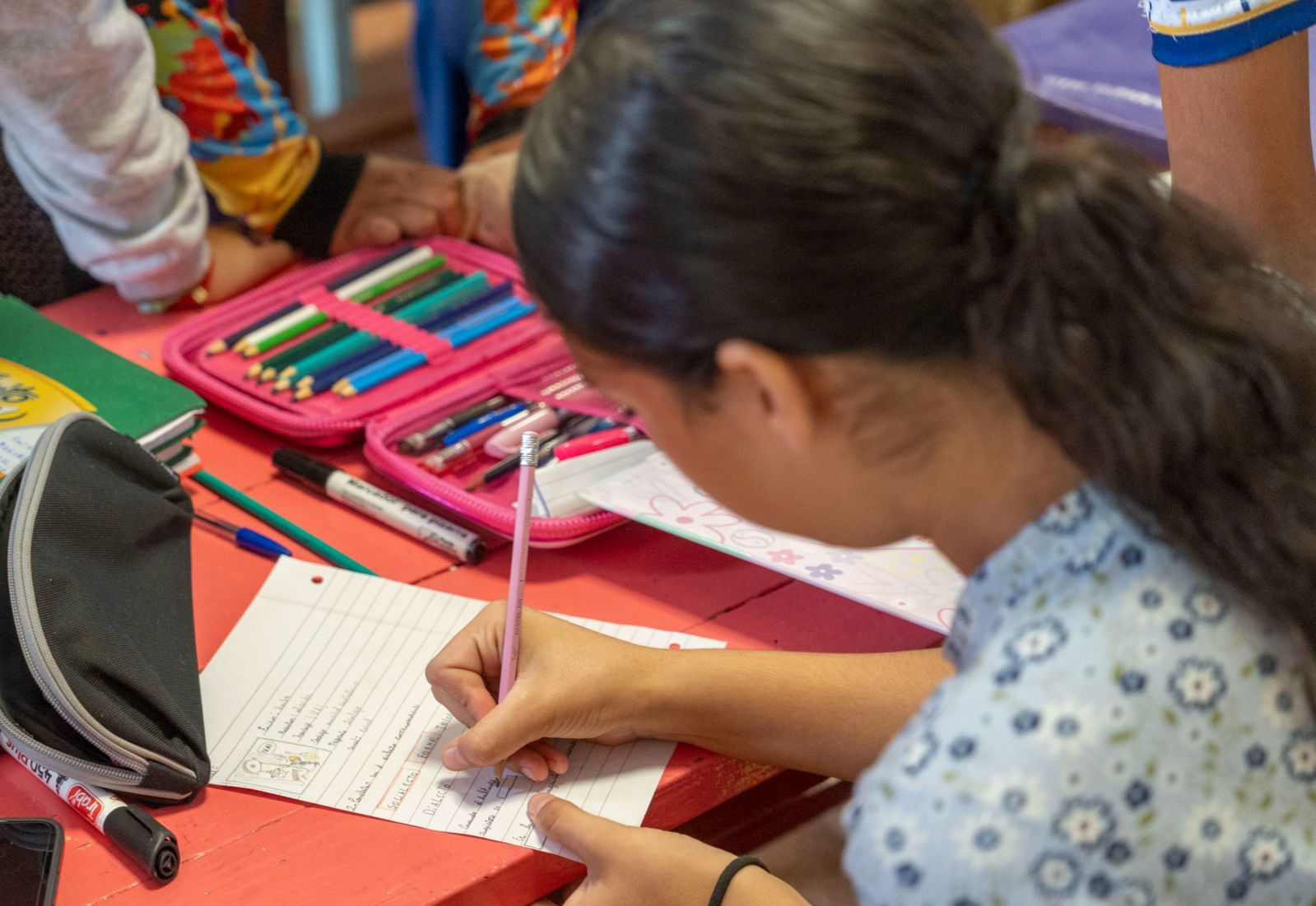
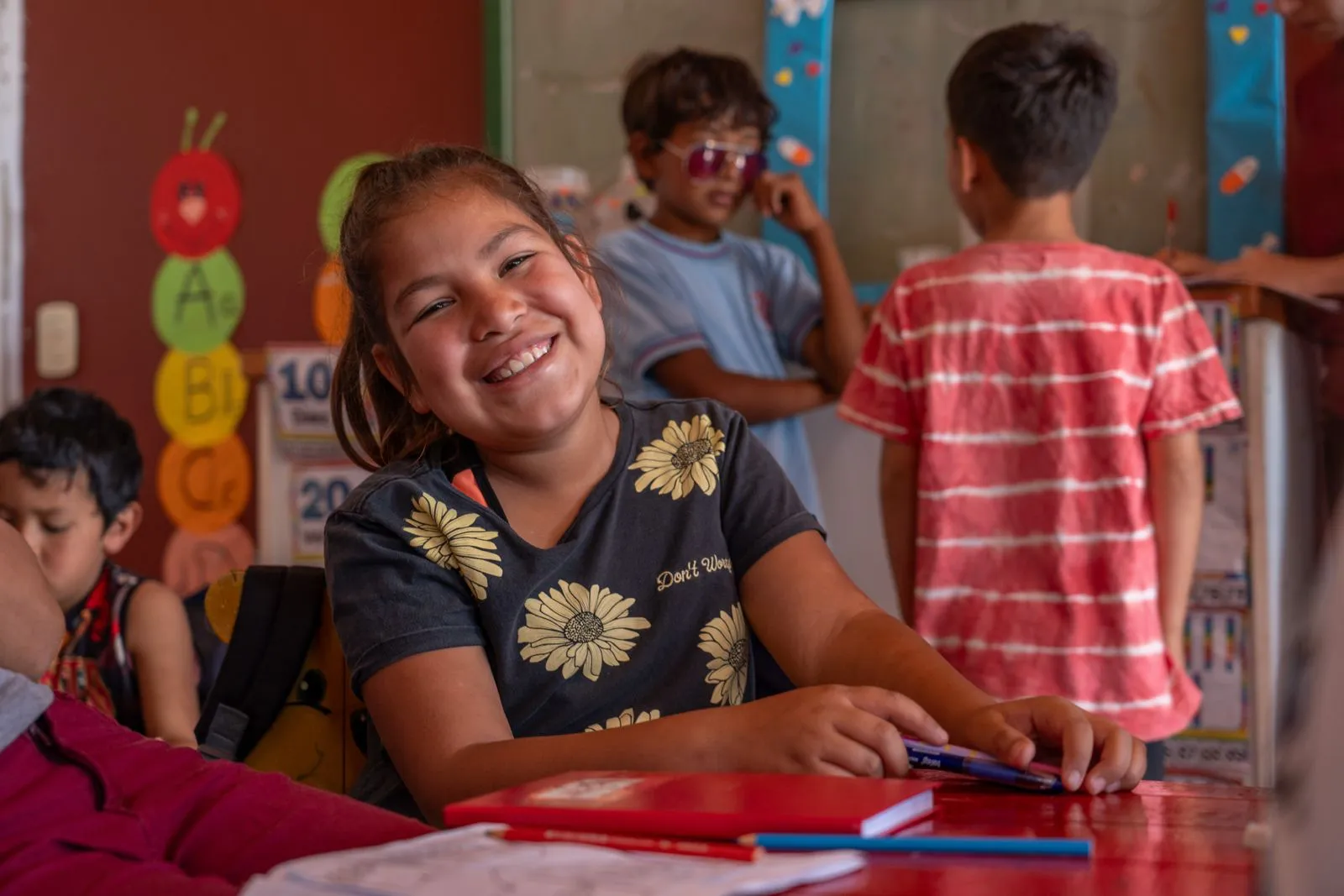
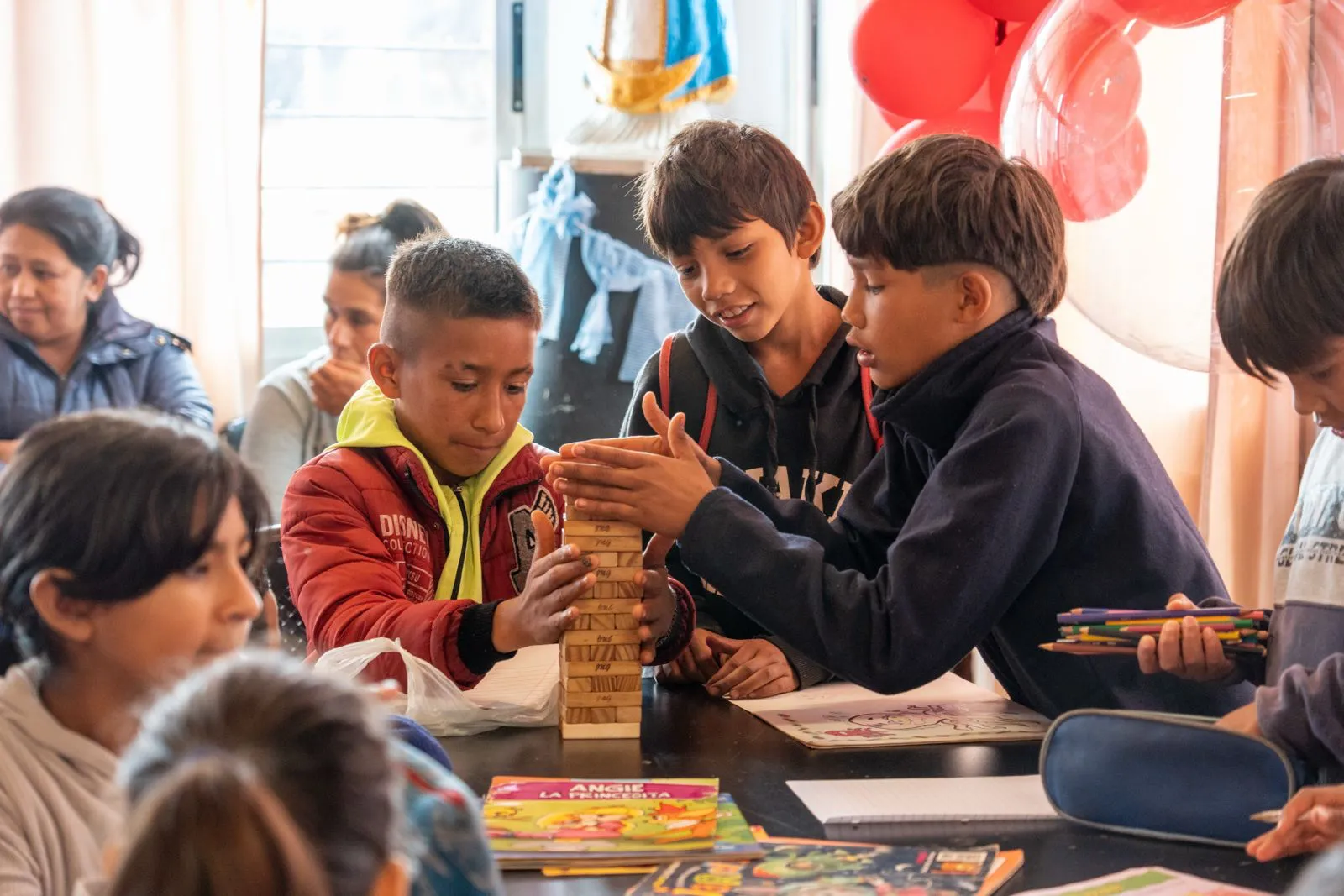
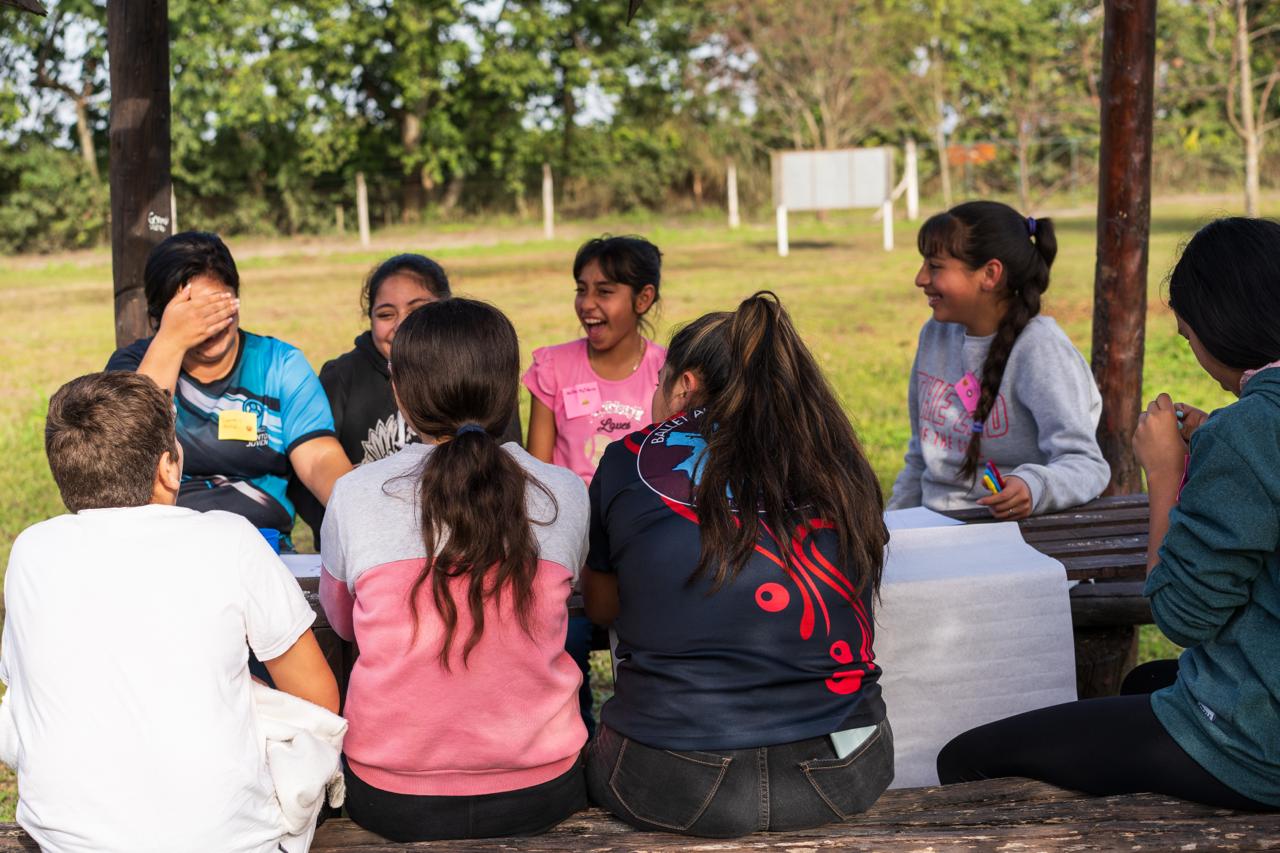
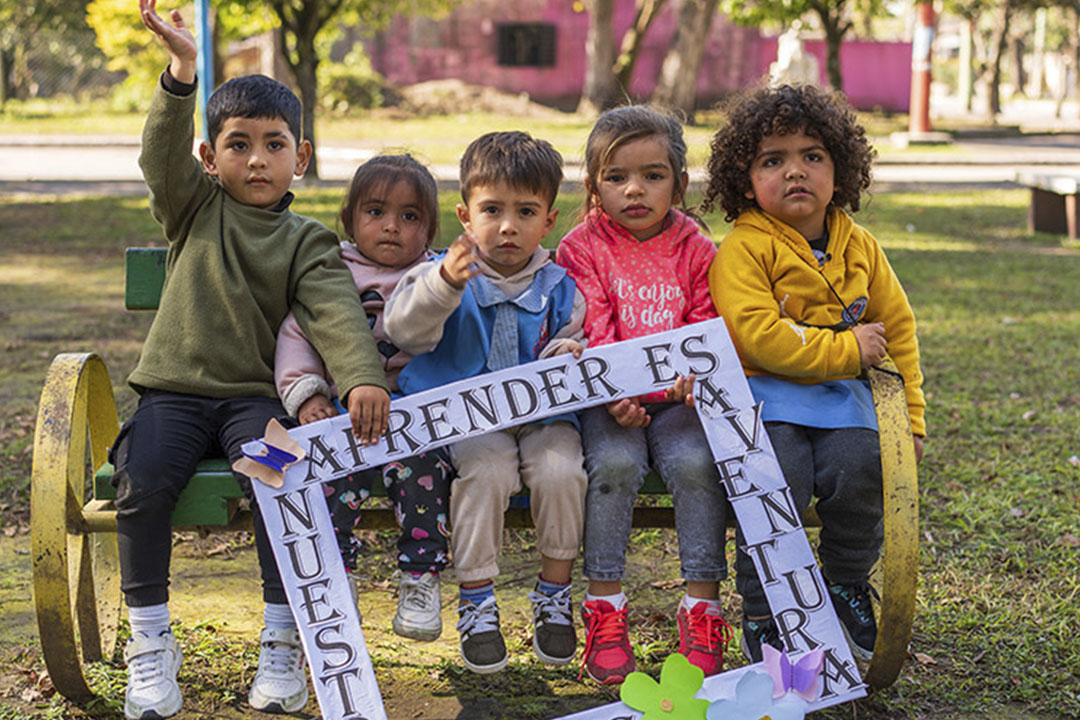
The learning crisis, a reality that cannot wait
A silent crisis in classrooms across Argentina, Ecuador and Peru. What the data show and what learning recovery experiences in hundreds of schools teach us.
Latest updates from our work in Latin America
News by country
News by work line
A silent crisis in classrooms across Argentina, Ecuador and Peru. What the data show and what learning recovery experiences in hundreds of schools teach us.
When a community fragments, distress is lived alone. In Santa Lucía, a network of institutions and young people builds collective responses.
A special publication brings together the experiences of students, families and teachers in Tumbes, La Libertad and Lima.
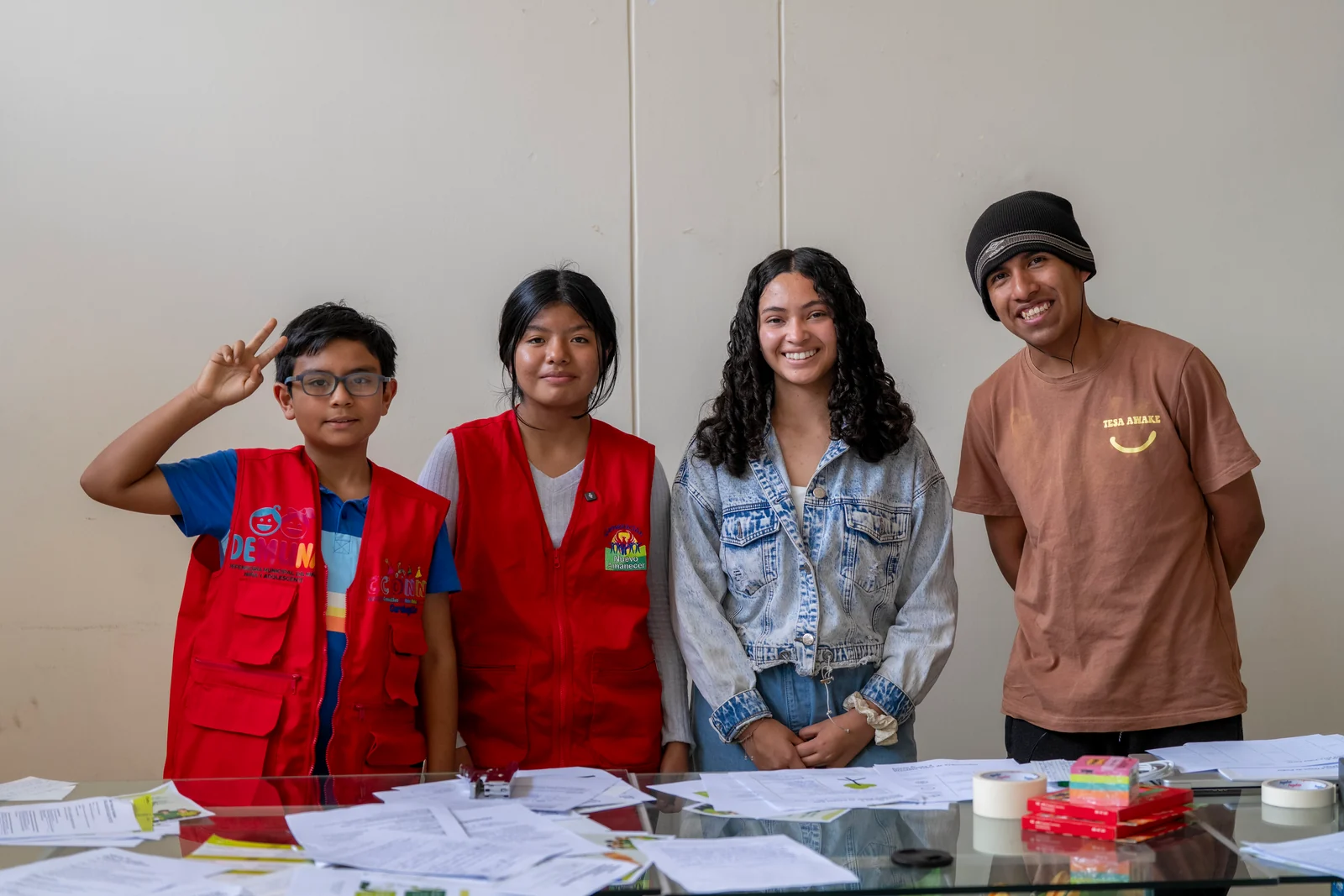
A workshop at DEMUNA, follow-up coordination through WhatsApp and three animations about rights. Explore the materials, messages and products of a process with the Carabayllo CCONNA.
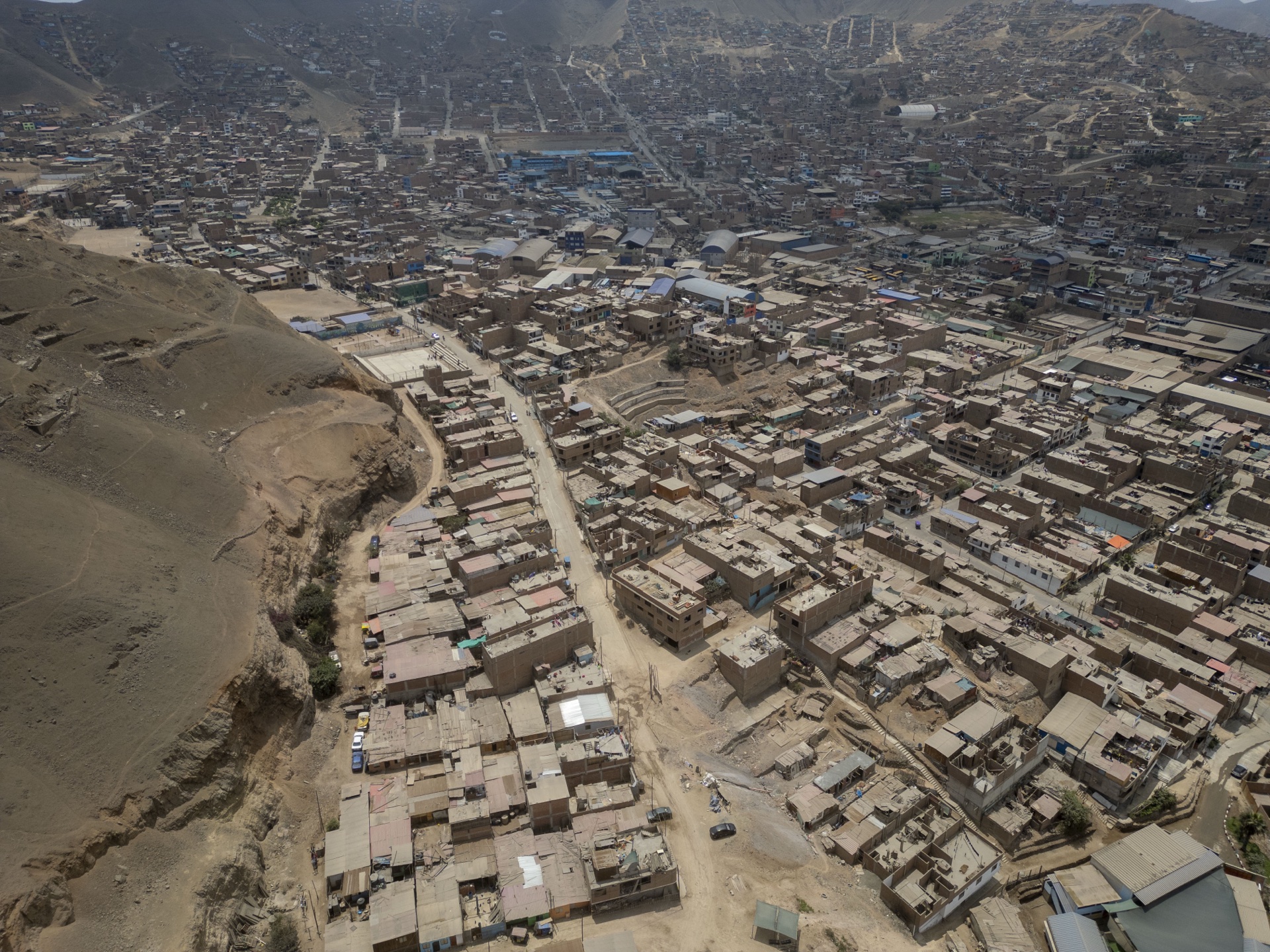
The territorial analysis of San Martín de Porres, Carabayllo and Puente Piedra identifies bottlenecks in the care pathway and proposes four operational lines of action to bring protection closer to outlying areas.
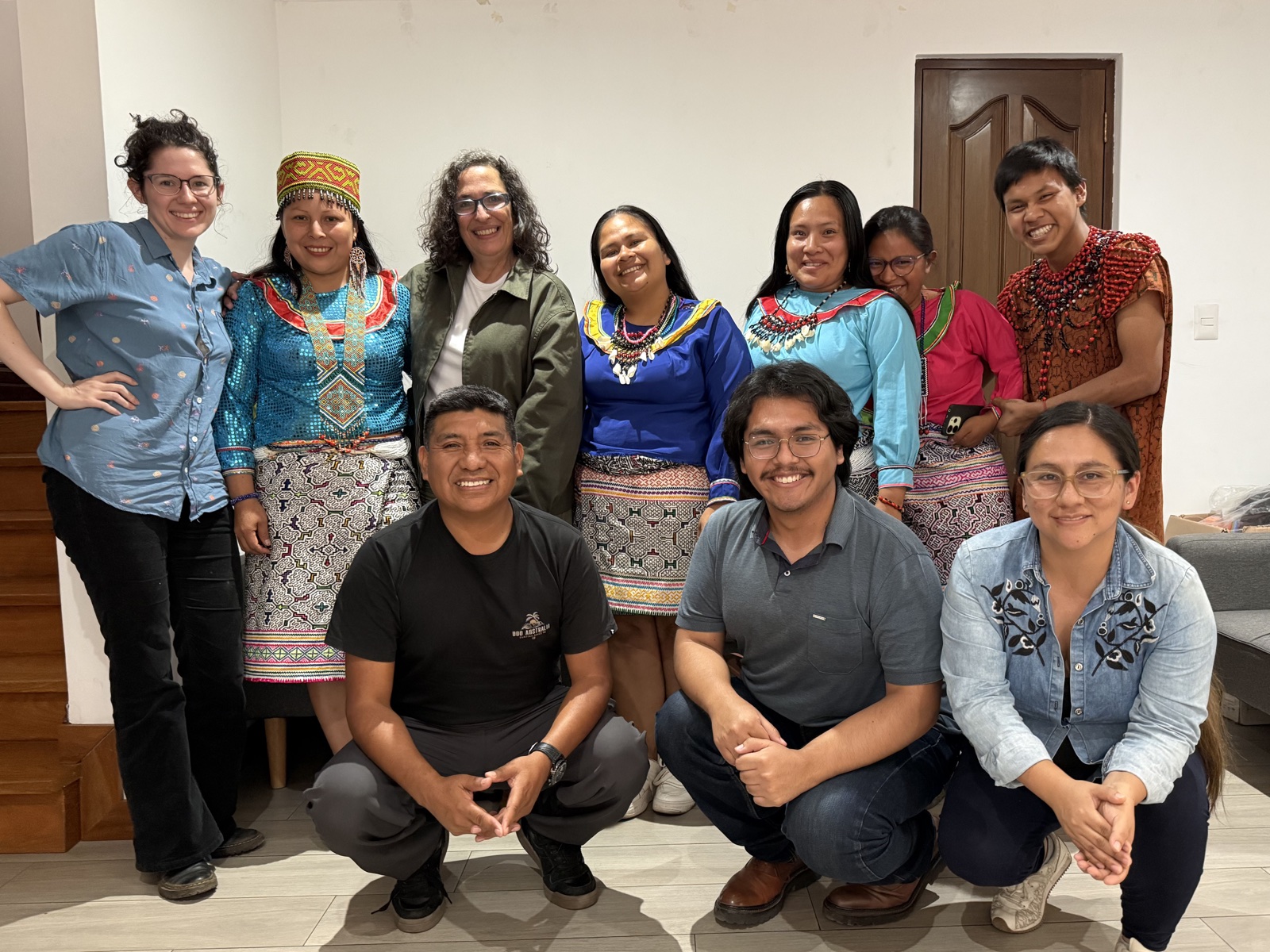
Artisan leaders shared their needs and experience for a proposal expanding education work into livelihoods.
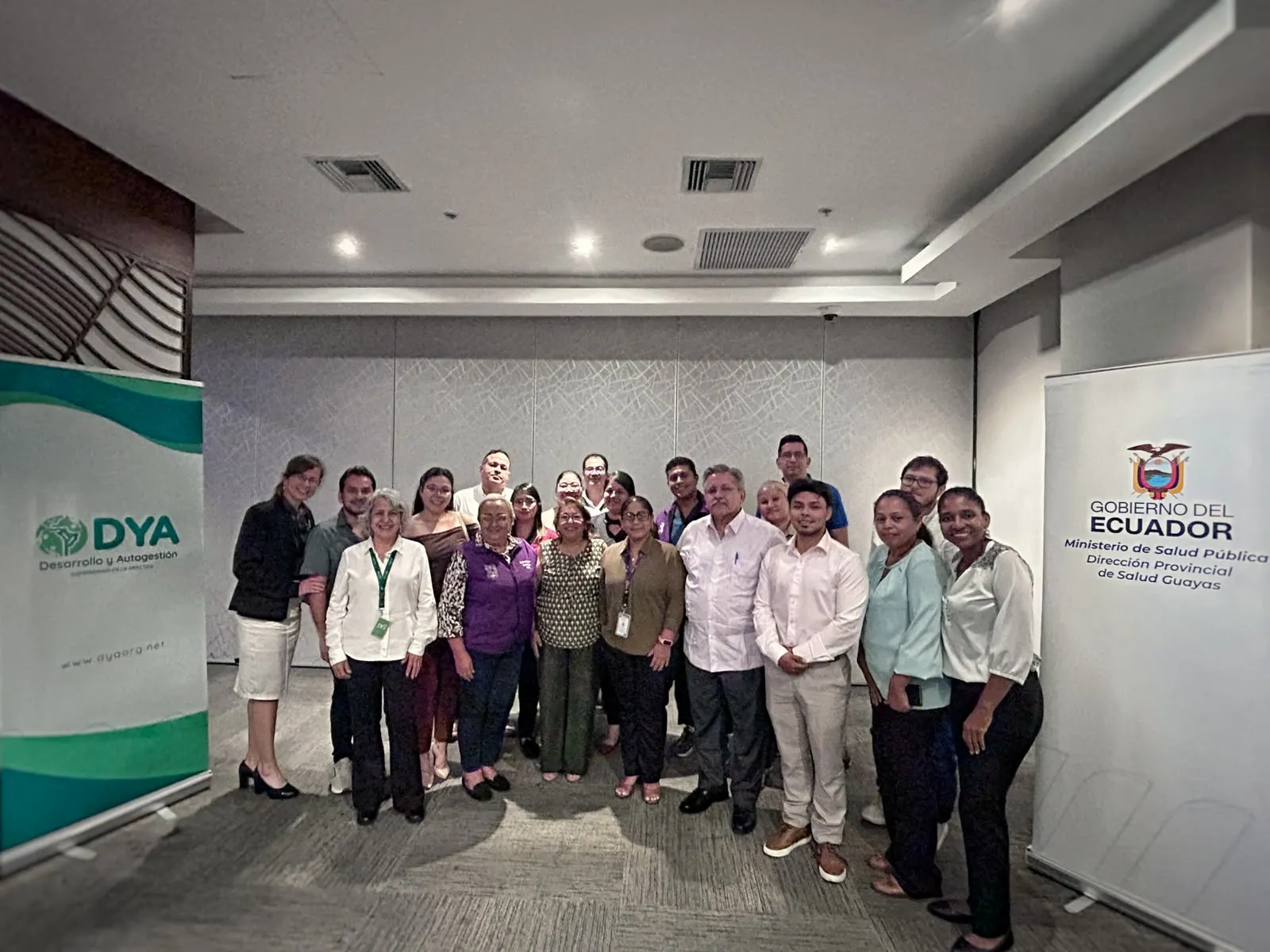
A project is launched to promote access to sexual and reproductive health services for adolescents in Guayaquil, strengthening seven health centers.
The full report presents findings and recommendations for prevention and monitoring school attendance, and is available in DYA Publications for Peru.
In León Rougés, a 14-year-old was driving agricultural machinery when a tragedy occurred. DYA Argentina's data shows that rural child labor is the norm and that Argentina urgently needs effective protection policies.
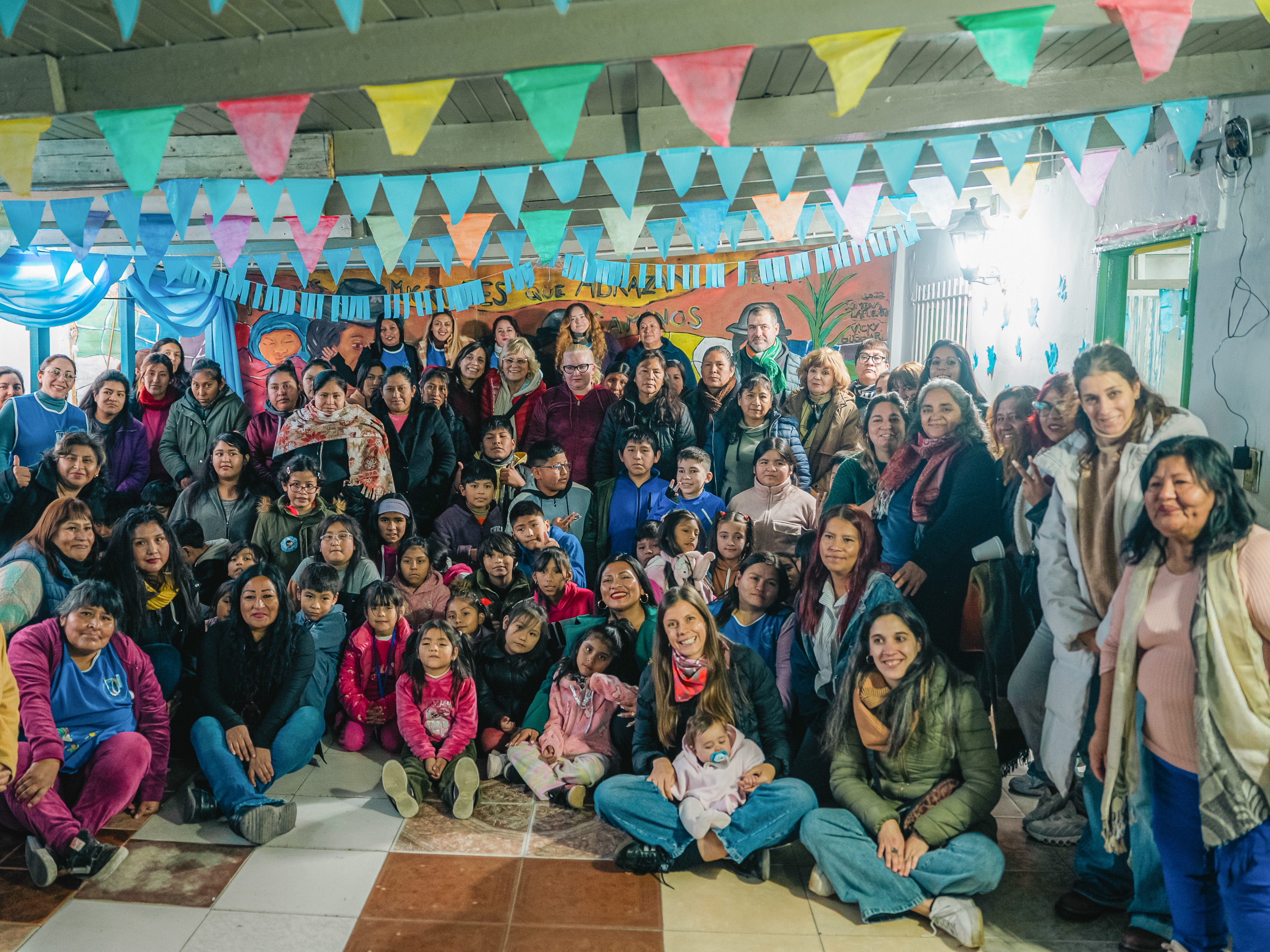
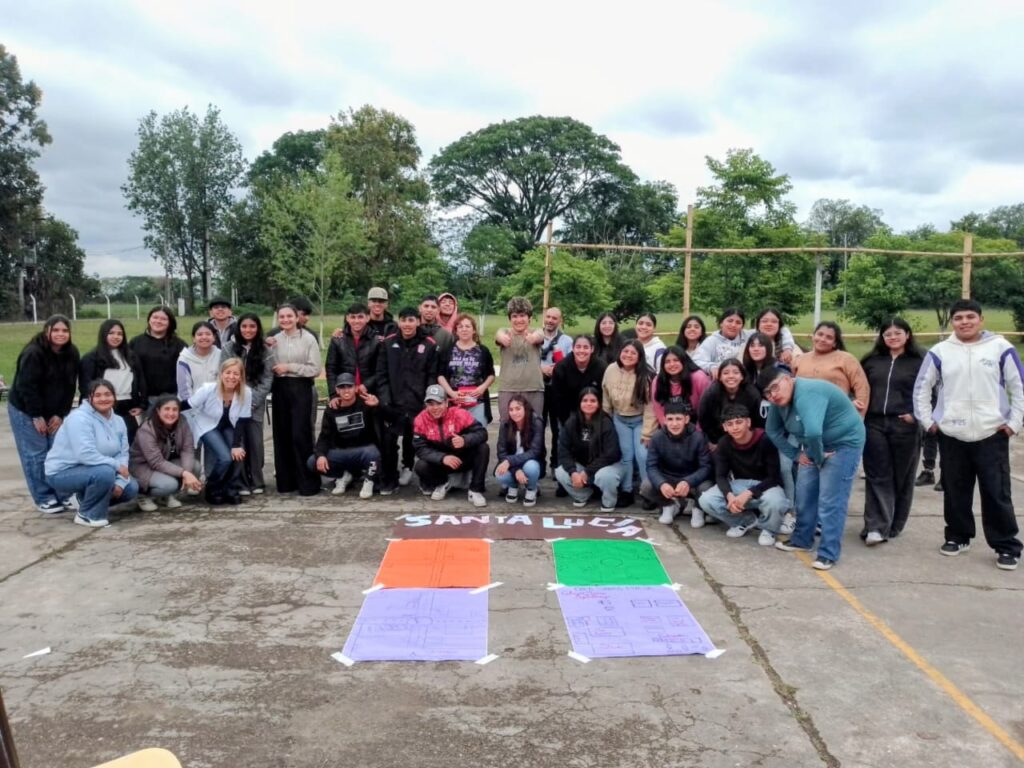
150 adolescents, 20 institutions, and a network built from within. The Tramas Project and community mental health in Santa Lucía, Tucumán.
Health, labor, and education arrived together in Apóstoles, institutional corresponsibility in action.
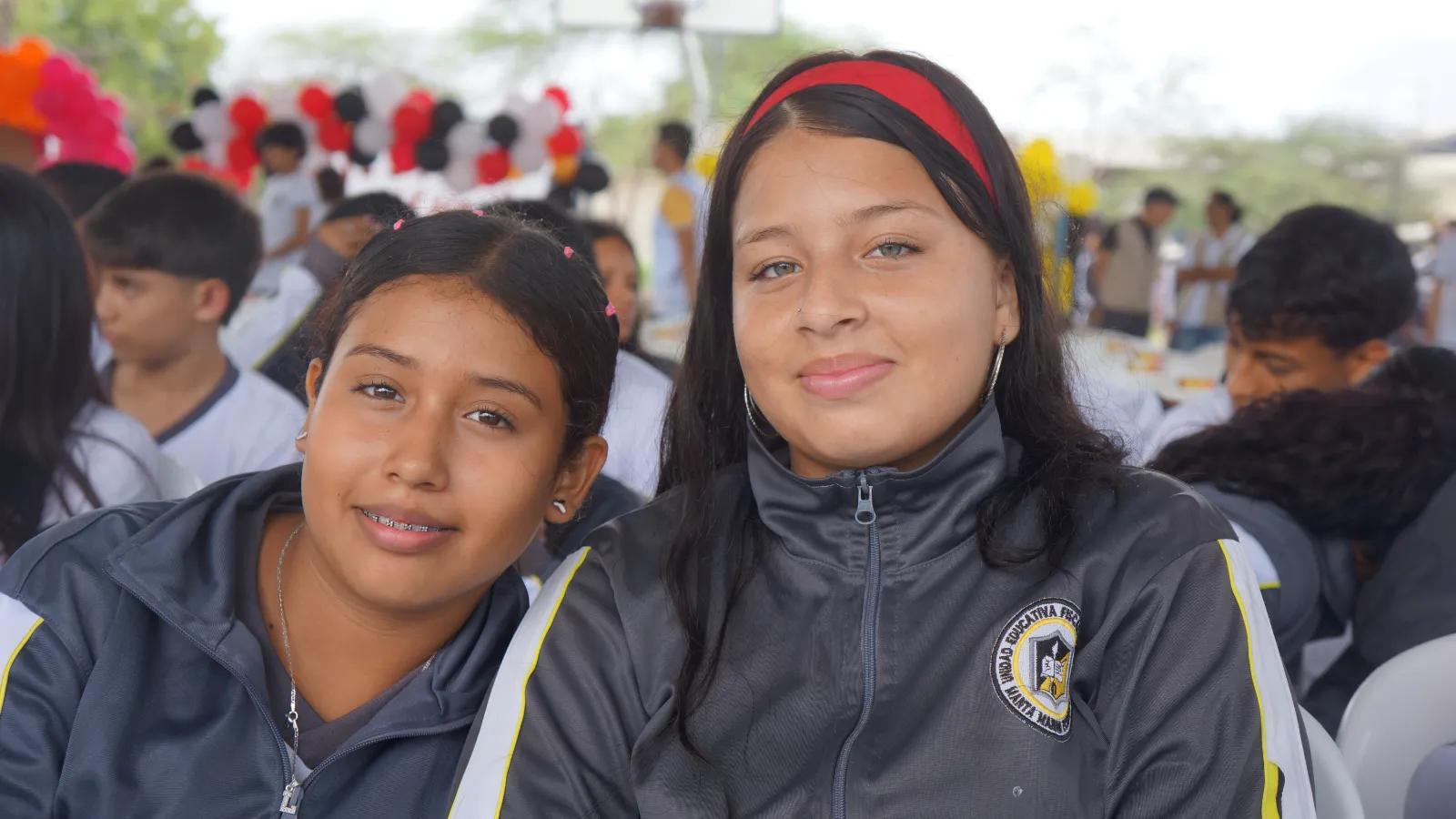
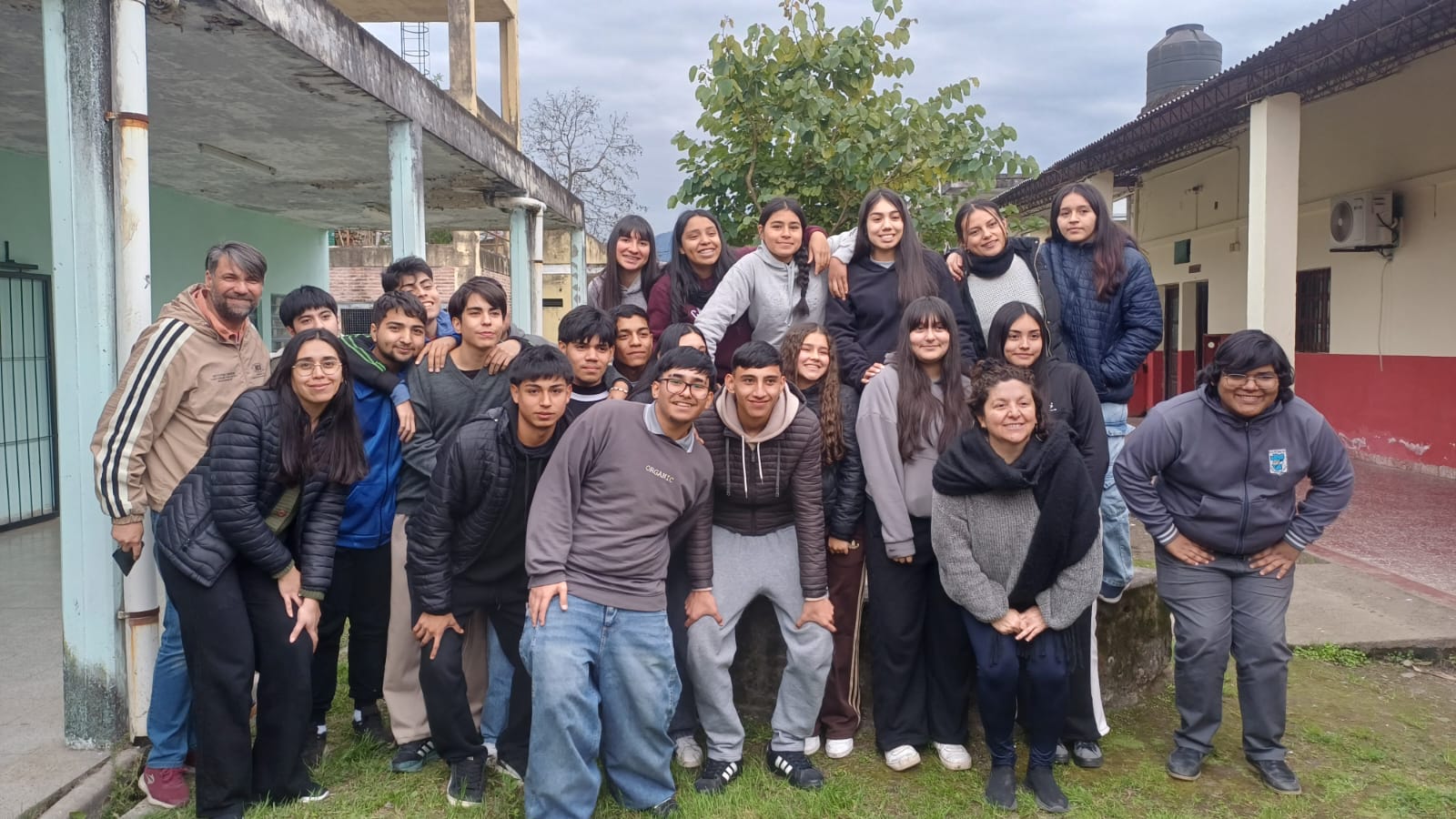
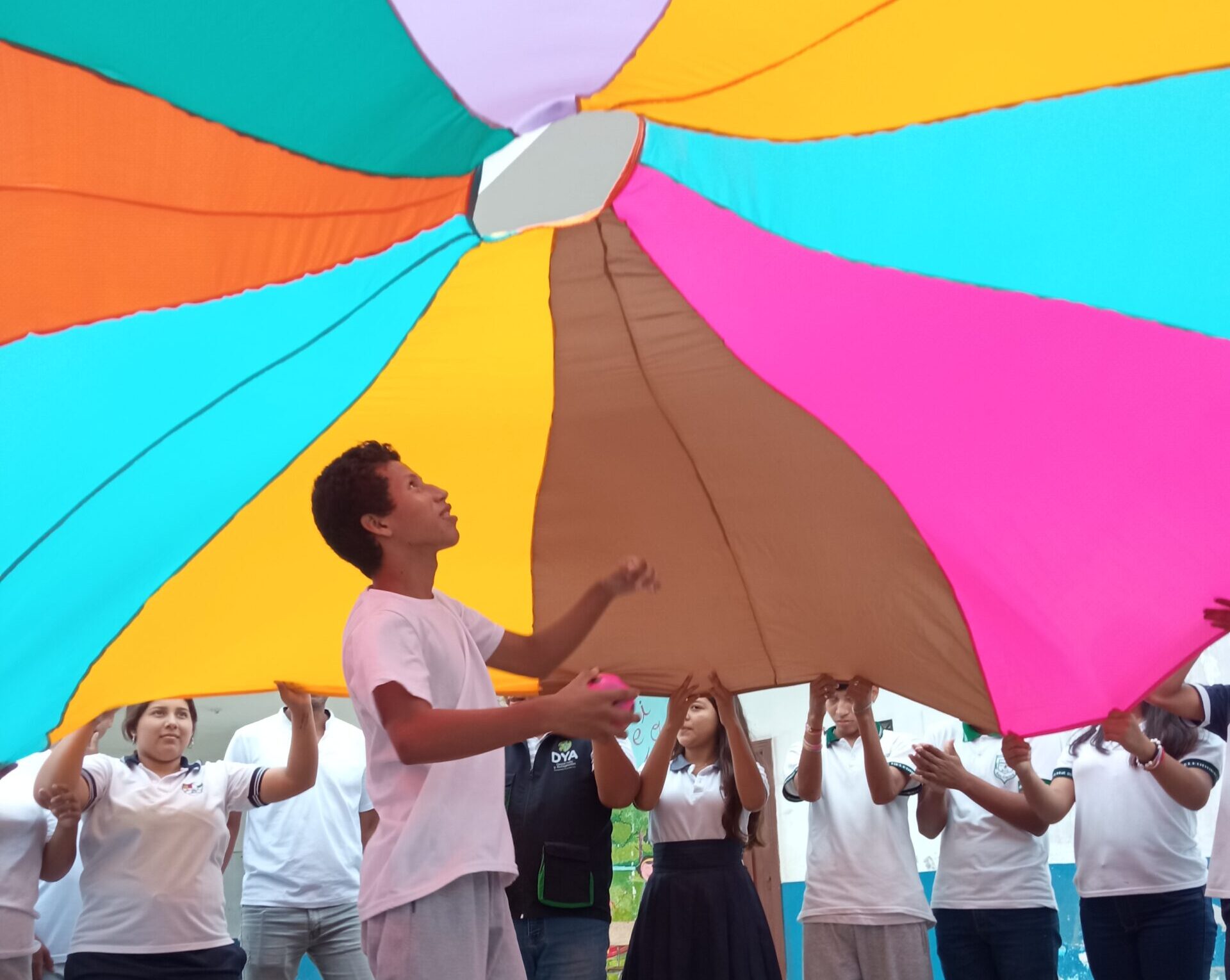
Students from U.E.F. Paquisha transformed their learning on wellbeing, rights, mental health, and adolescent pregnancy prevention into an initiative led by the students themselves. As part of the Amaneceres Program, the experience strengthened adolescent participation, dialogue, and leadership through peer-to-peer learning.
DYA participated in the III International Seminar on the Prevention of the Recruitment of Children and Adolescents in Bogotá, sharing lessons from RIESP on the role of safe and protective schools as key spaces for preventing violence and protecting educational trajectories.
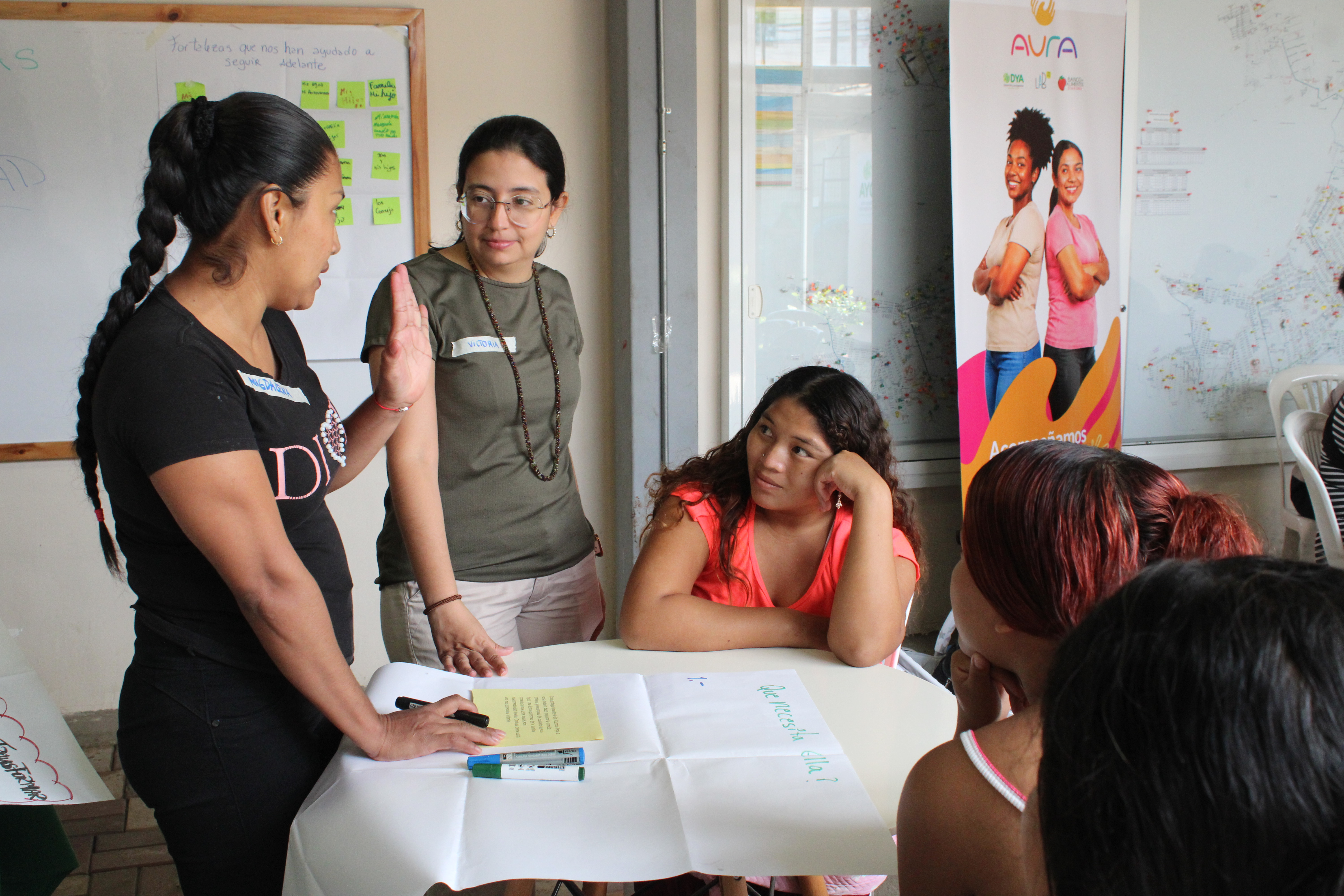
In August, Project AURA launched its Comprehensive Health activities in Monte Sinaí, creating spaces for learning and dialogue on sexual and reproductive health, mental health, self-care, and emotional well-being. These sessions aim to strengthen participants’ capacities, autonomy, and personal tools to care for their health and move forward with their life goals.
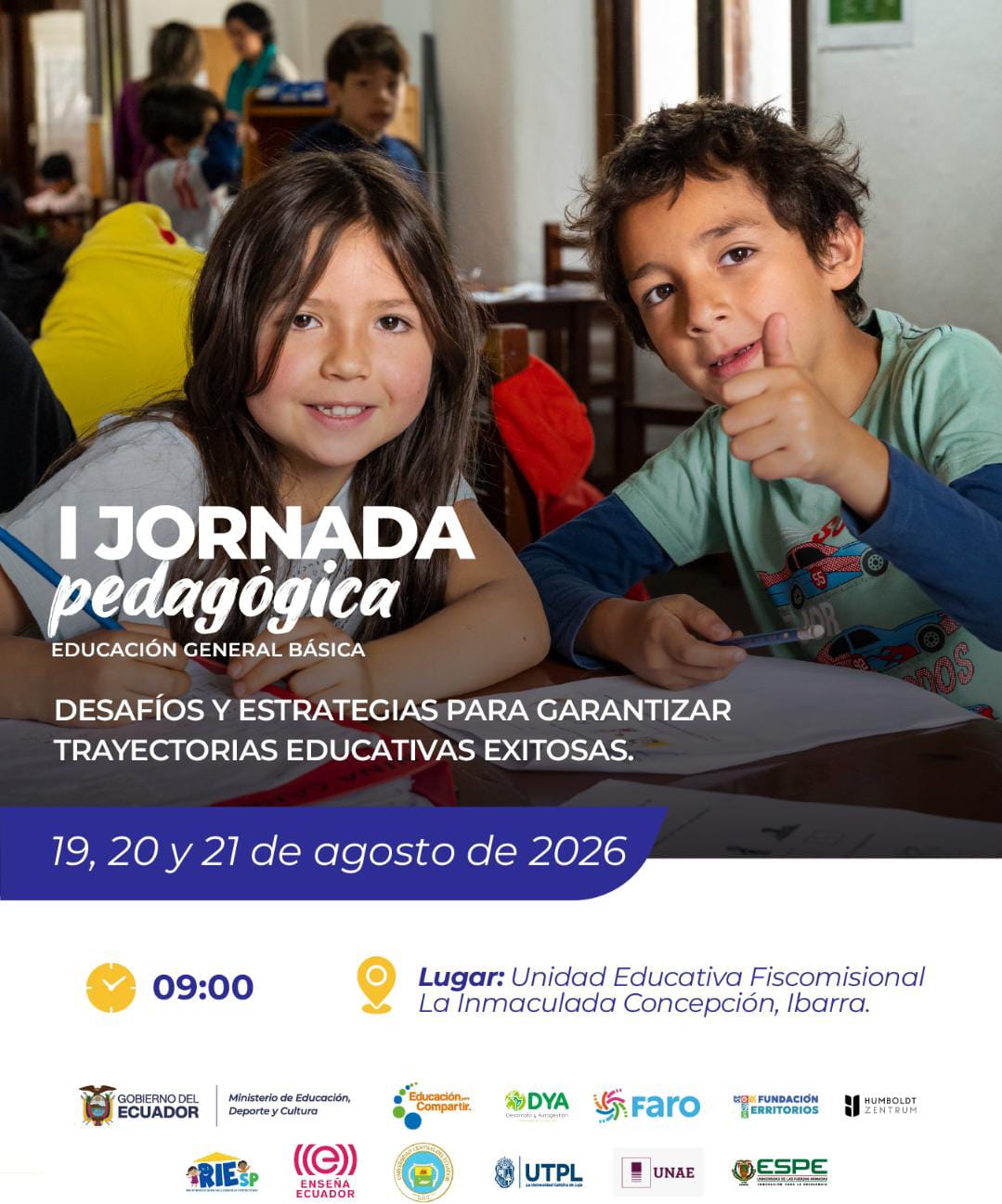
DYA participated in the 1st Pedagogical Conference on General Basic Education in Ibarra, sharing reflections and strategies on learning gaps, socio-emotional support, and strengthening educational pathways.
A second educational space opens in Apóstoles, how DYA sustains educational inclusion together with other institutions.
Three projects, one shared method. How DYA works with communities in Lomas de Zamora, Tucumán and Misiones to build sustainable, community-led responses to different local challenges.
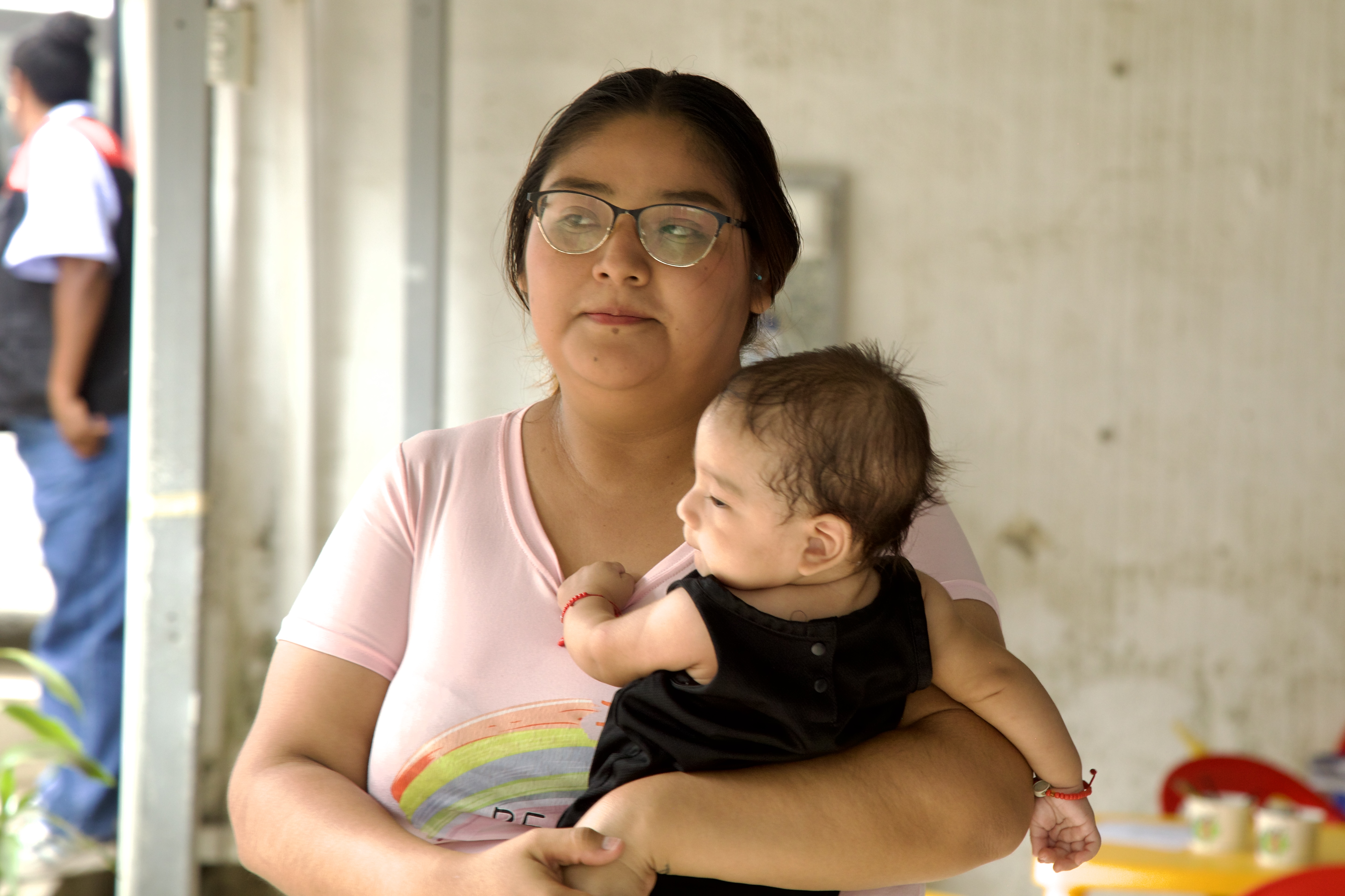
Launch of the AURA Project:“We walk with you on your journey, we strengthen your future”, an initiative that seeks to strengthen the capabilities, well-being, and opportunities of pregnant women and young mothers from vulnerable areas of Guayaquil.
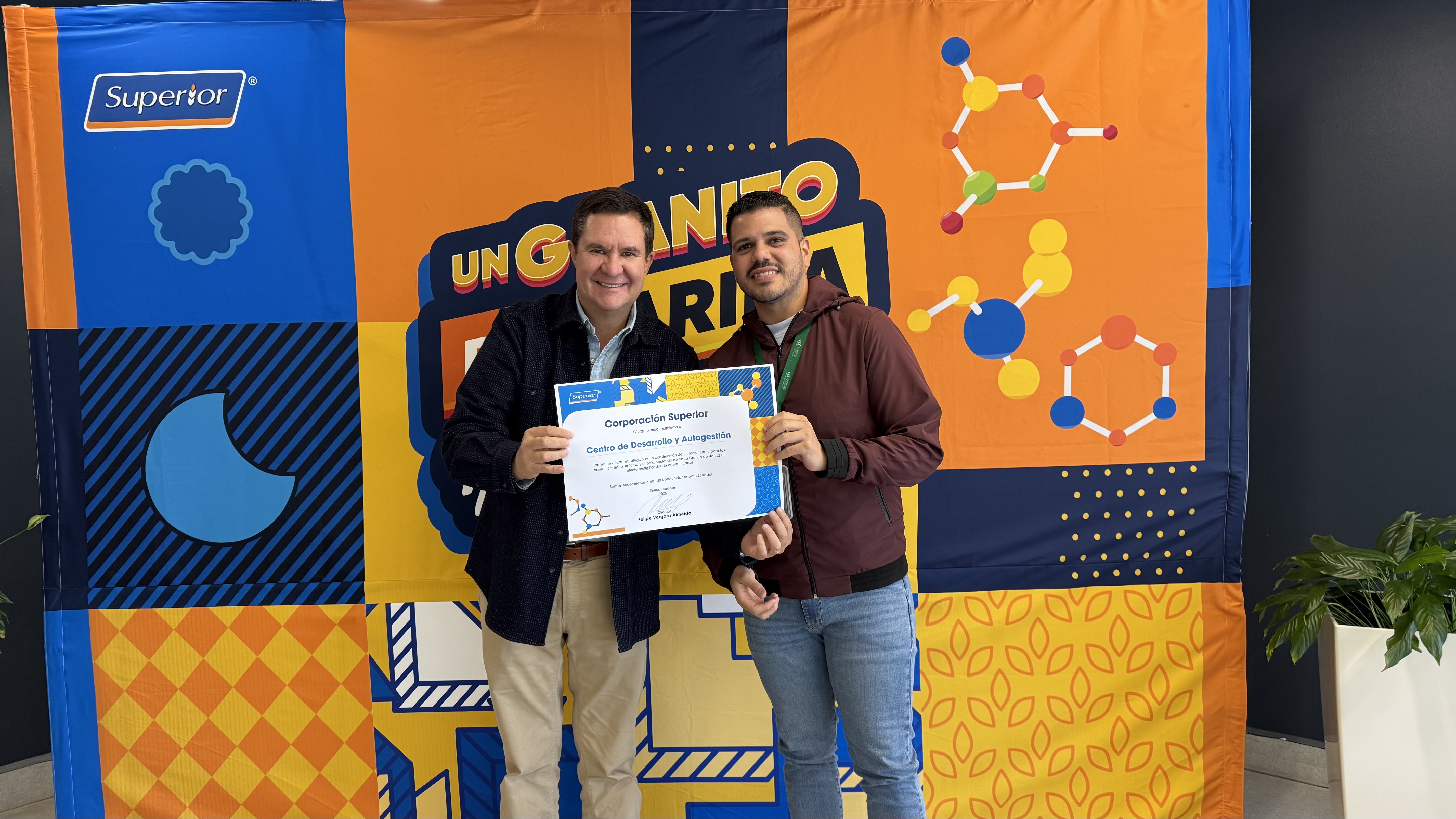
DYA received two awards from Corporación Superior for its work in the Amaneceres Program, an initiative focused on preventing adolescent pregnancy and chronic child malnutrition in Manta.
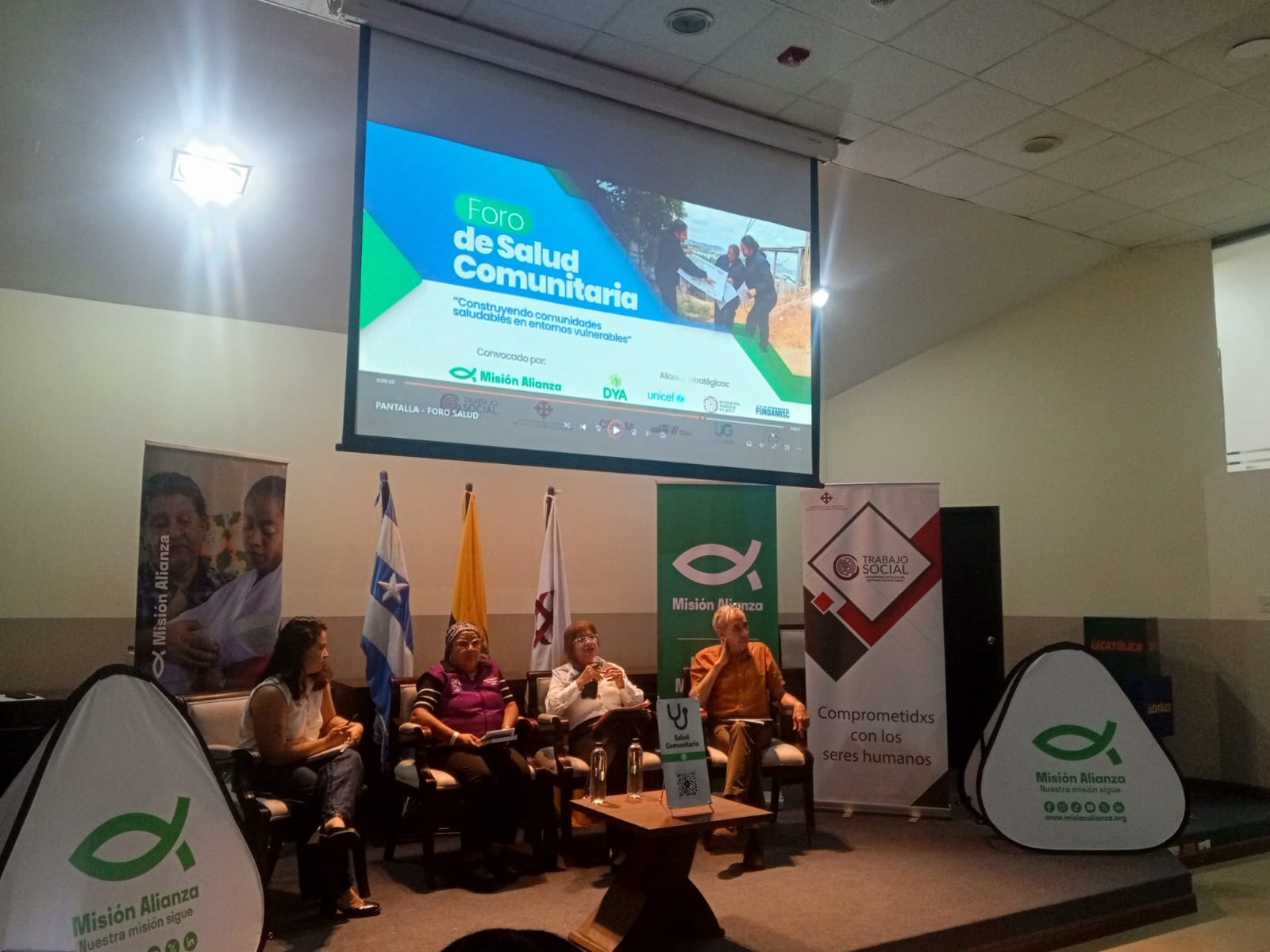
DYA presented its community health model developed in Monte Sinaí at the Building Healthy Communities in Vulnerable Settings Forum, sharing more than a decade of experience and receiving recognition for its contribution to strengthening community health.
The YANAPAY Project was officially launched in Barrio 17 de Noviembre in Lomas de Zamora, marking the beginning of a new phase of collaborative work between DYA, Wawa Wasi Caritas Alegres, provincial and municipal authorities, and social organizations. YANAPAY —which means "we support, collaborate, and accompany each other in community"— is an initiative financed by Luxembourg Cooperation that aims to strengthen protective environments for 200 children and adolescents, guaranteeing access to quality education, psychosocial support, and inter-institutional articulation throughout 2026 and 2027.
7 out of 10 adolescents in rural secondary schools perform some form of work. DYA Argentina presented its survey results in a virtual seminar.
Educational institutions, researchers, local government and civil society came together to rethink what it means to educate in and for the digital world. The answer was clear: digital citizenship.
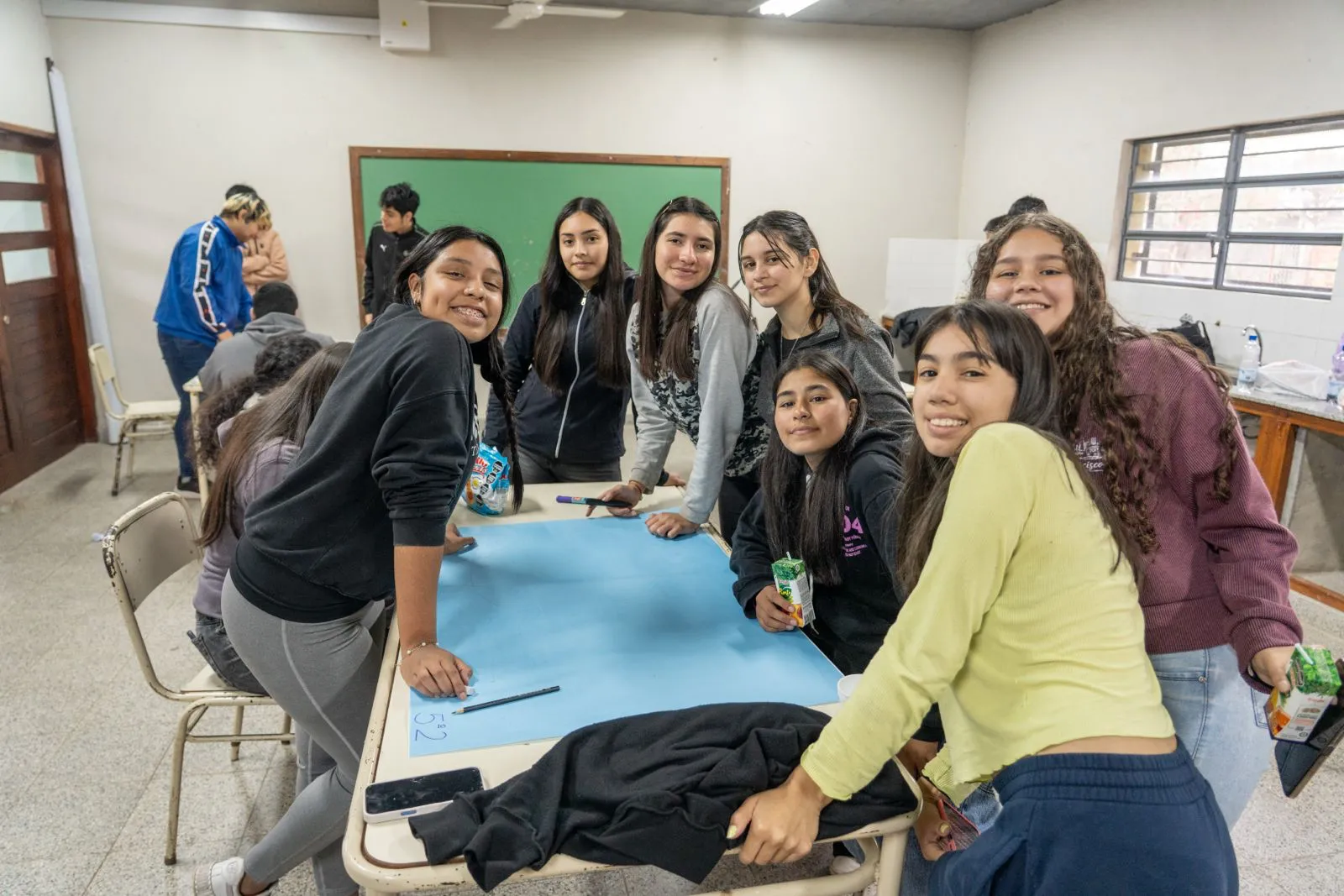
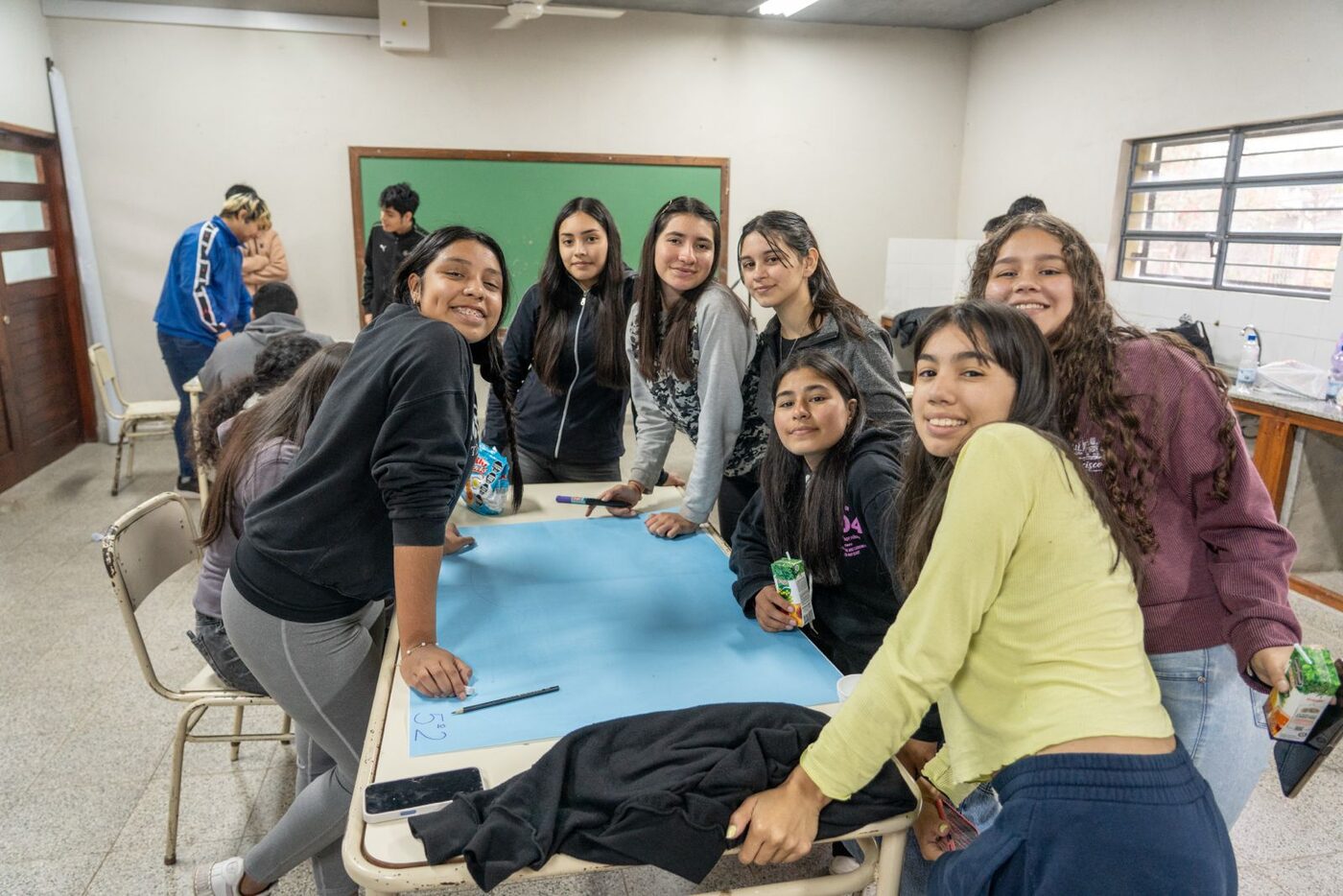
The first working session brought together local institutions and more than 60 students to begin a community process for adolescent mental health.
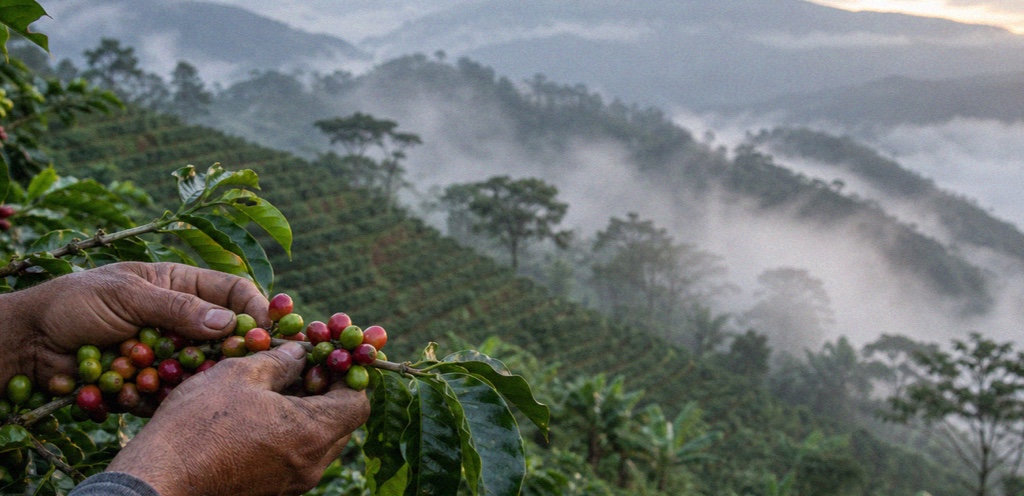
The report provides concrete evidence on child labor, traceability, and certification in the coffee supply chain in Cajamarca and Junín.
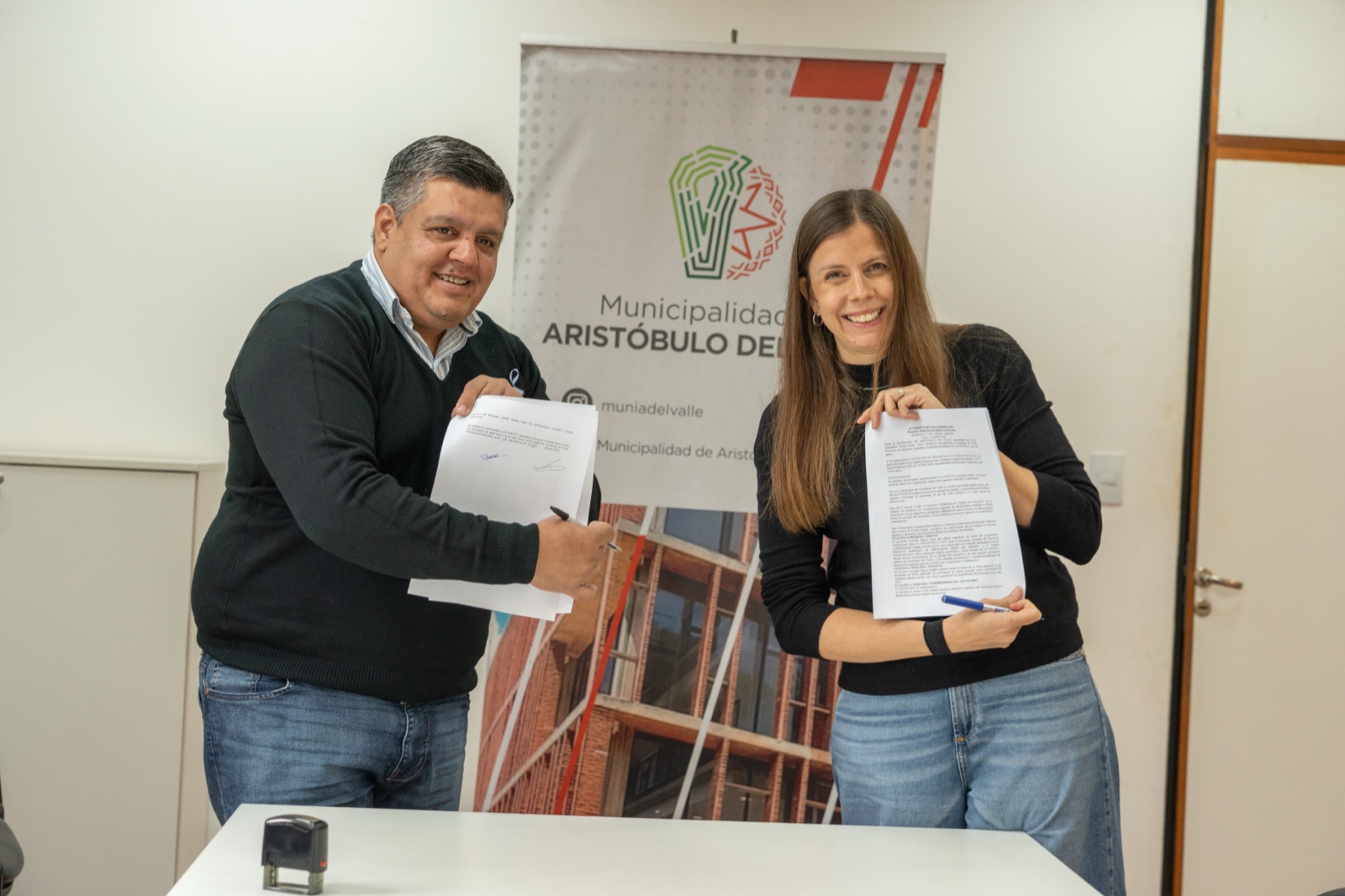
The initiative seeks to reduce the digital divide affecting children and adolescents in Aristóbulo del Valle, including topics such as grooming, mental health, and critical use of social media.
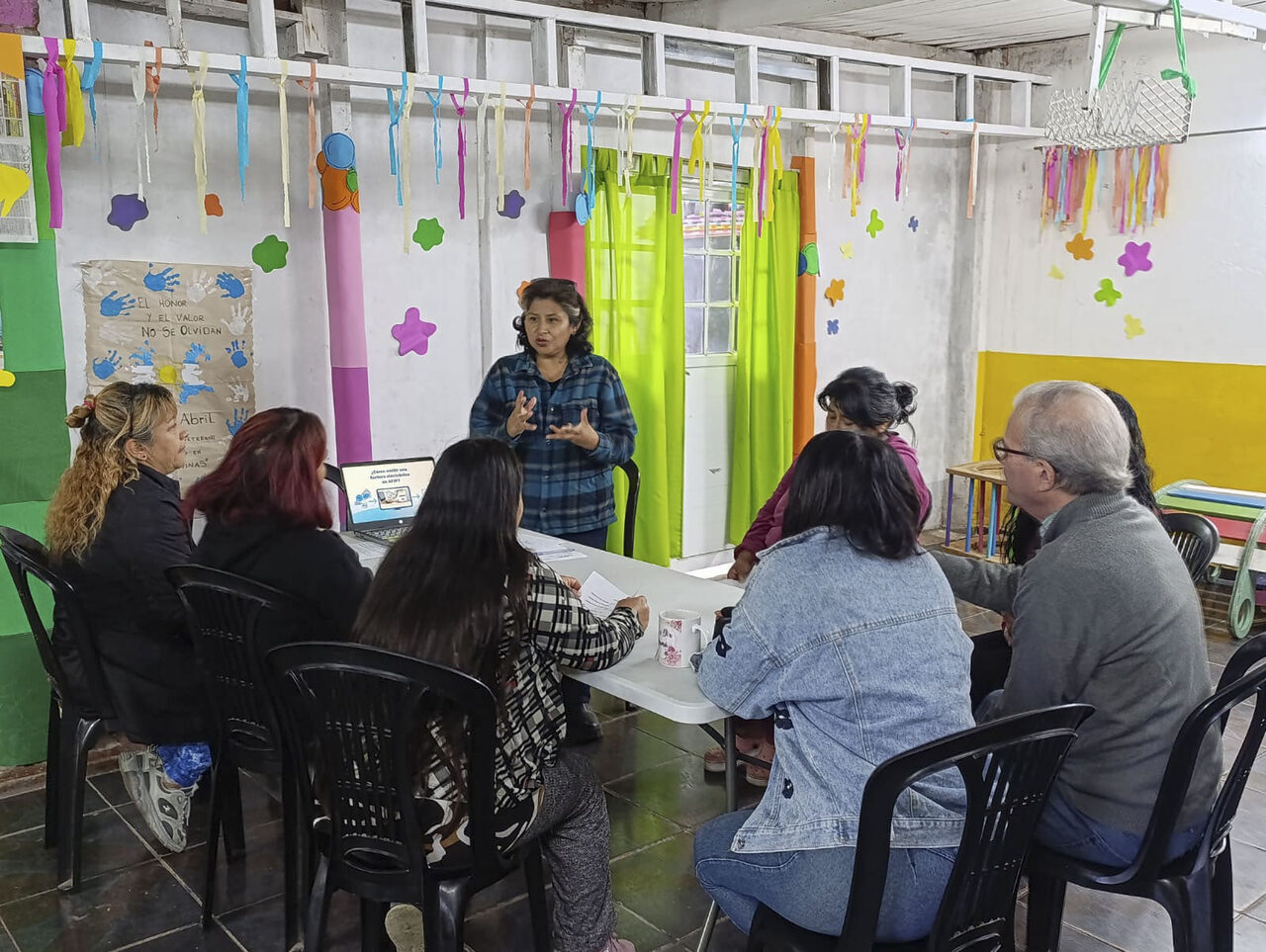
Members of Wawa Wasi “Caritas Alegres” took part in two key trainings within DYA's new project in Lomas de Zamora: electronic invoicing and healthy bread-making.
With funding from Luxembourg and a formal partnership with the provincial Health Ministry, DYA Argentina launches a model that places young people themselves at the center of the design.
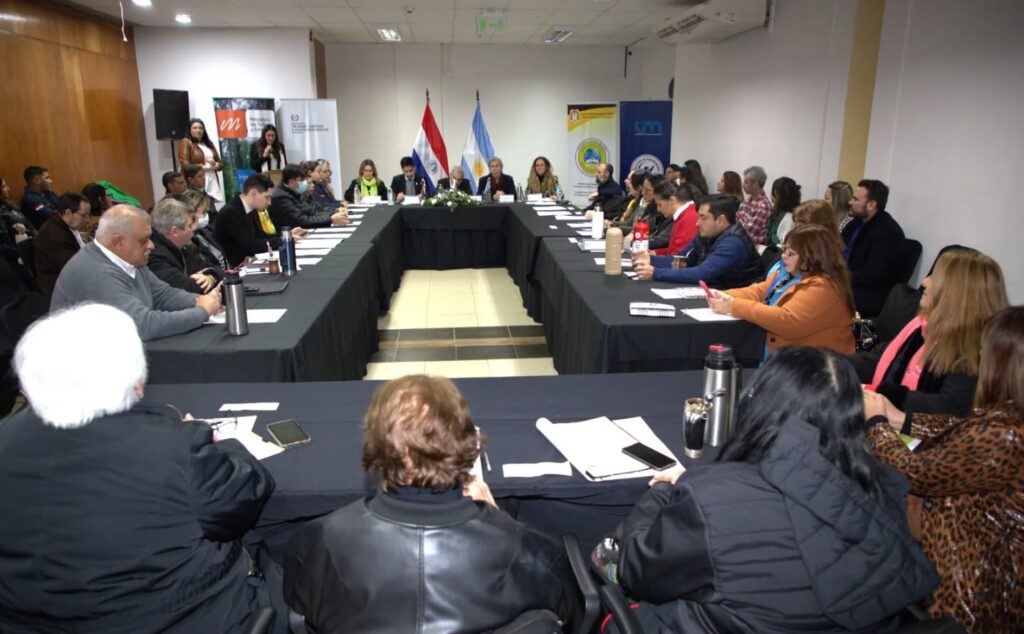
PAHNAL Ecuador and Norwegian Mission Alliance organize a virtual meeting to exchange experiences and best practices against the recruitment of children and adolescents by criminal gangs.
The National Humanitarian Action Platform is born, comprising 9 Ecuadorian civil society organizations, coordinated by DYA with DIAKONIE support.
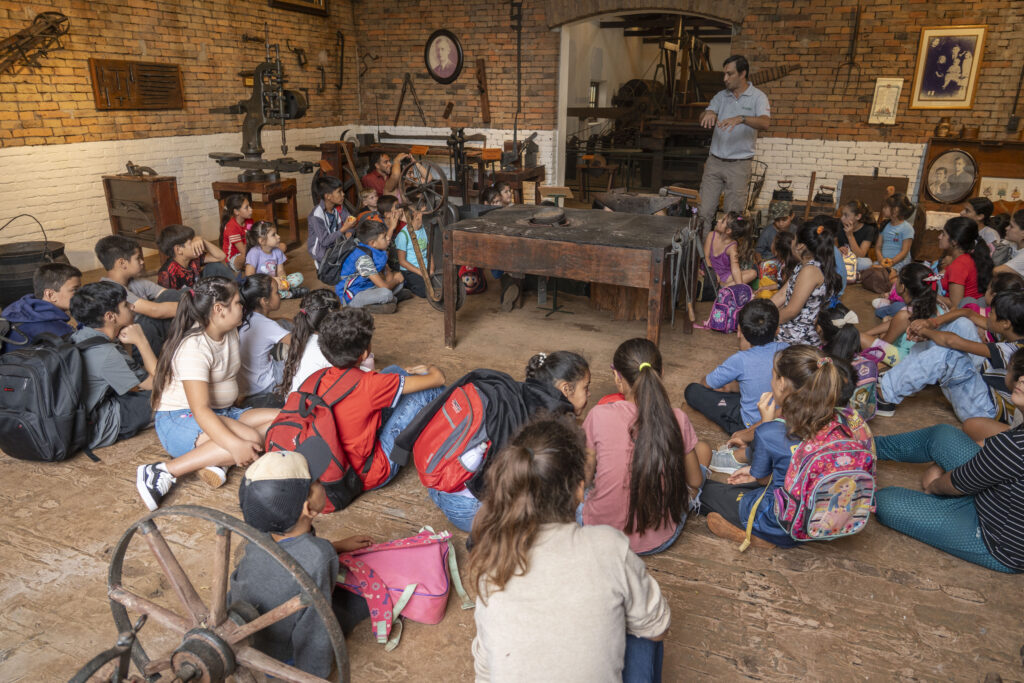
More than 40 children from the Contener Program participated in an educational visit to the Juan Szychowski Historical Museum in Apóstoles, Misiones.
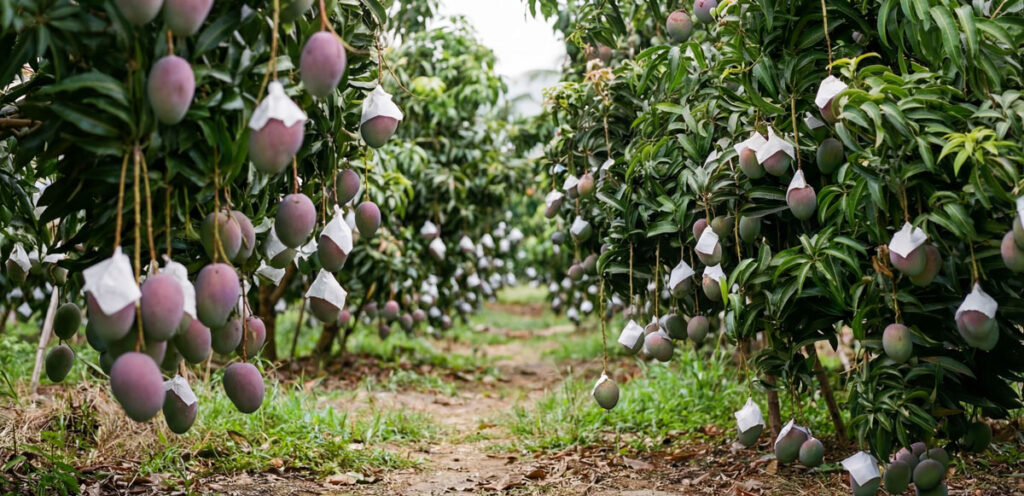
A study by DYA Peru and the SESAM Program identified child labor risks in the mango value chain in Piura.
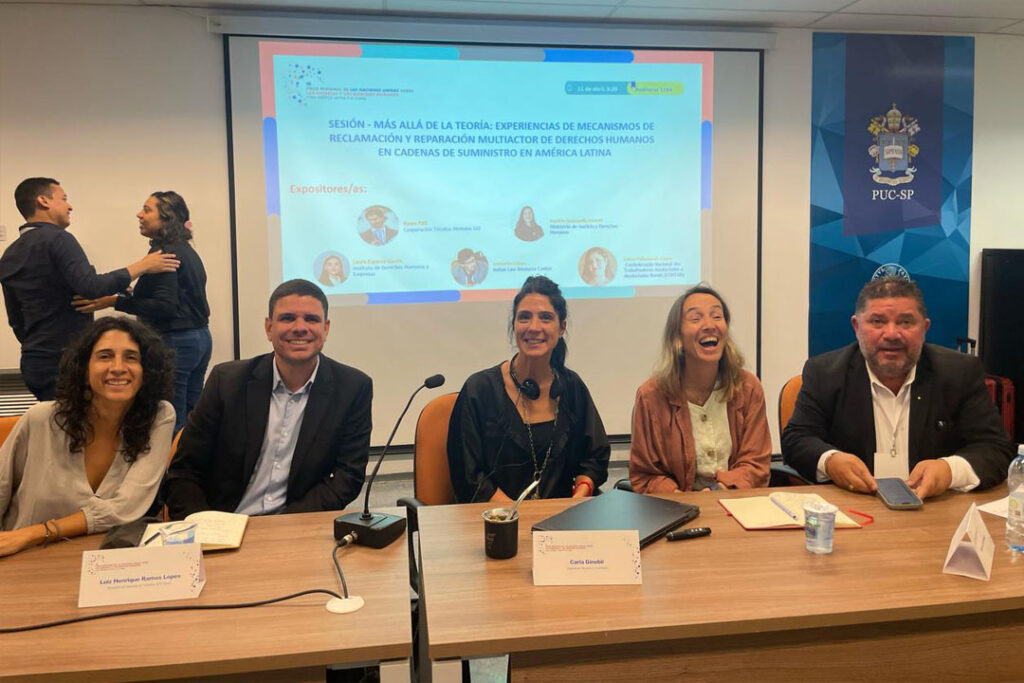
Maró Guerrero Aguirre participated as a panelist in an official side event of the 6th Global Conference held in Marrakech, Morocco.
The Contener Program continues to open its doors in the Santa Bárbara neighborhood of Apóstoles with vacation workshops for children.
The closure of the 2025 cycle was a collective celebration of growth, learning, and bonds built throughout the process.
DYA and PUCE signed a Specific Cooperation Agreement to promote joint research and action projects aimed at analyzing social issues.
DYA launched a new donor campaign to guarantee the continuity of the Contener Program in Apóstoles, Misiones.
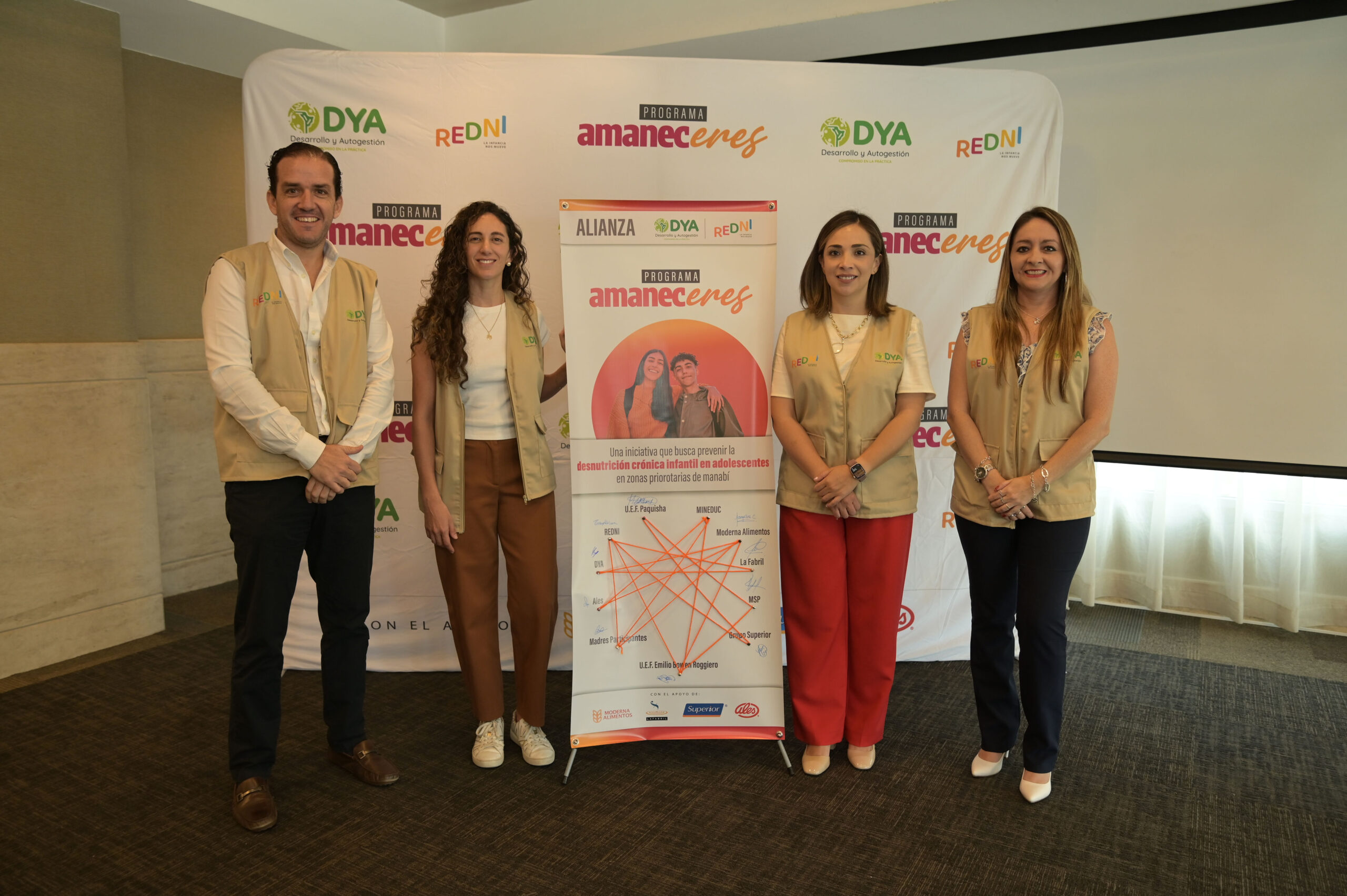
Fundación REDNI and DYA, in alliance with La Fabril, Moderna Alimentos, Corporación Superior, and Ales, presented the Amaneceres Program in Manta.
At the Youth Hub in Santa Lucía, more than 50 adolescents participated in a workshop about community resources for adolescent well-being.
Young people find in the Youth Hubs of Santa Lucía and Teniente Berdina a place to grow, learn, and make their voices heard.
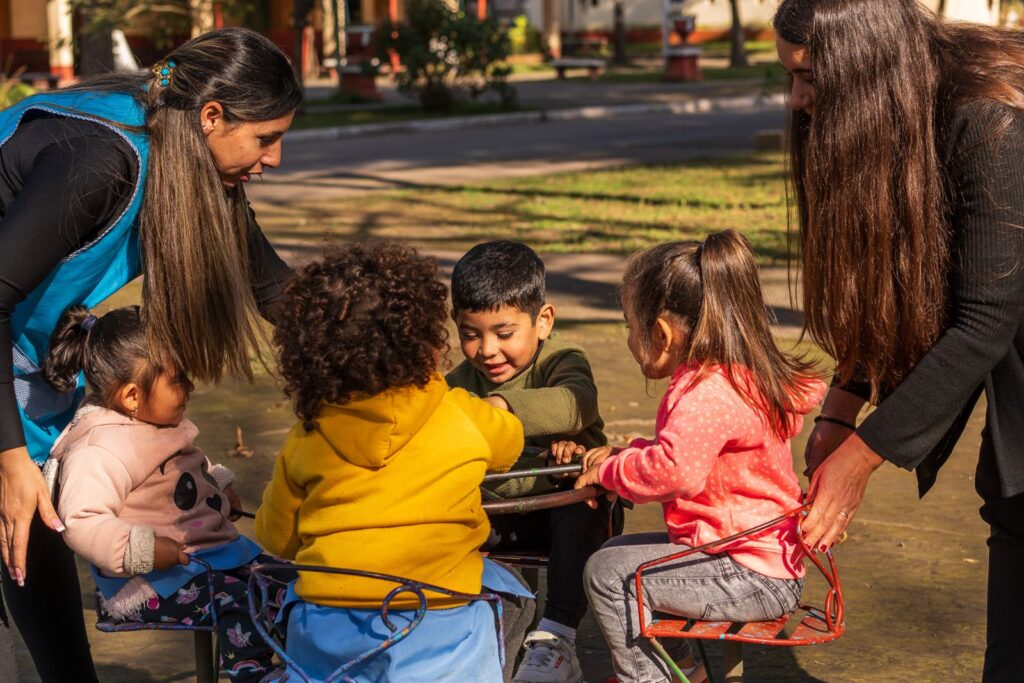
More than 75 boys and girls enjoyed activities designed for them in the Child Care Centers of Tucumán.
The second meeting was held in Encarnación to advance in the prevention and eradication of child labor at the border.
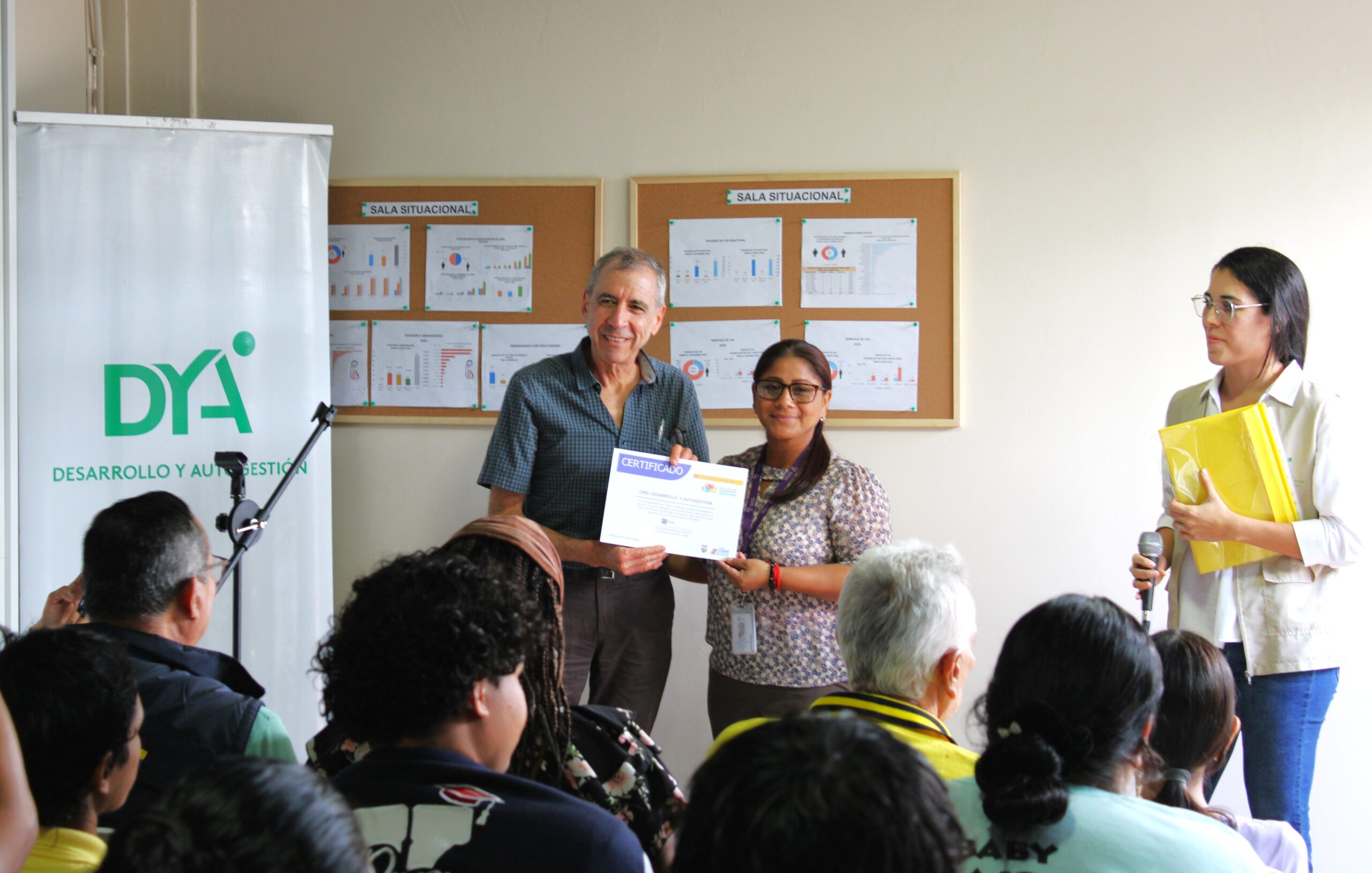
A special ceremony was held at DYA's headquarters in Monte Sinaí to receive accreditation as an Adolescent-Friendly Health Services Space.
At DYA we work with rural municipalities in Tucumán, providing school support, daily food, and emotional containment.
We launched the RIESP project, as part of the consortium led by IRC and executing partners DYA, funded by ECHO (European Union).
A DYA survey reveals that 68% of students aged 11 to 15 perform labor activities linked to the market.
DYA was part of the 2025 Sustainability Summit, promoted by Revista Ekos, an important regional meeting on sustainable development in Quito.
At DYA, we work every day so that the right to dignified health is a reality. In Monte Sinaí we promote a model of Comprehensive Community Health.
A survey reveals that 7 out of 10 school-enrolled children and adolescents aged 11 to 15 work for the market.
Maró Guerrero participated as a panelist at the IX Regional Forum on Business and Human Rights in Latin America and the Caribbean.
DYA highlights its work in education, health, and economic development, benefiting more than 82,000 people in the last three years.
No news items match this work line for the selected country.