
In Santa Lucía, we weave a network: mental health, art, and adolescence at the center
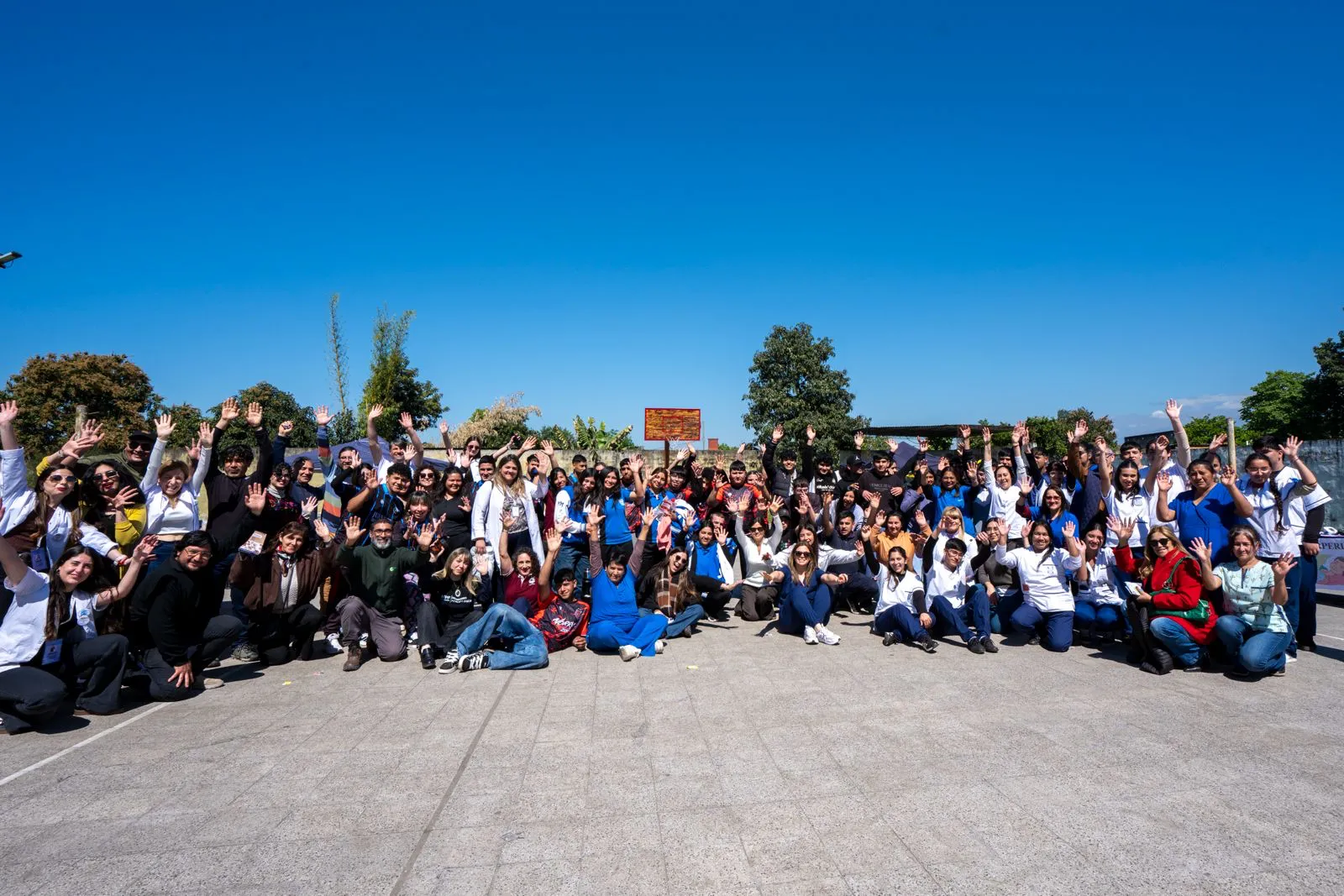
The Club Social de Santa Lucía was the setting for something that rarely happens: 150 adolescents and more than 20 institutions sharing a morning of music, art, open radio, and genuine conversation about mental health. But what made that encounter possible has been taking shape for much longer.
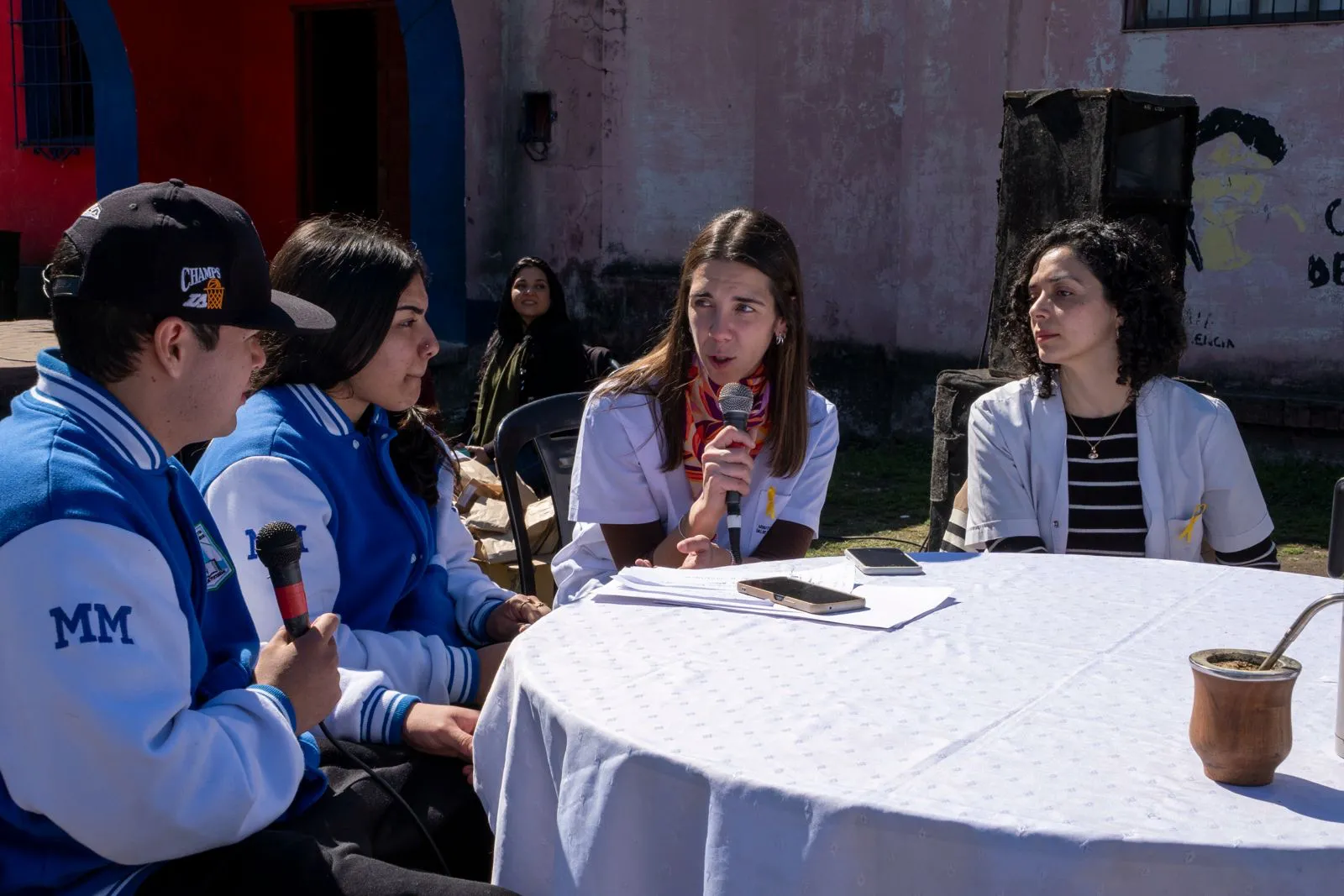
"And what do you think leads a person to not want to be here anymore?" The question came through the microphone of a student, directed at two psychologists from SIPROSA (the Provincial Health System). The scene was brief but telling: an adolescent chose to ask something difficult, and there were adults ready to listen and respond. In Santa Lucía, that is not a small thing.
The mental health of adolescents is built in the territory. It depends on what the environment offers, on the relationships that sustain people, on institutions that coordinate their efforts, and on the spaces where young people can express themselves. In Santa Lucía, a town in the Monteros department shaped by decades of crisis in the sugar industry, 7 out of 10 adolescents enrolled in rural schools in Tucumán work for the market. Specialized mental health resources are scarce, and institutional distrust, rooted in a complex history, does not dissolve with a single intervention. Reaching people with real responses in that context requires strategies built from within the place and for those who live there.
That perspective guides the Tramas Project: Strengthening Social Bonds, led by DYA Argentina in partnership with the Tucumán Ministry of Health and funded by Luxembourg's international cooperation (PNPN). Since its launch in April 2026, the project works in two simultaneous directions: a monthly inter-sectoral roundtable that brings together representatives from health, education, justice, and community organizations, and participatory workshops where adolescents themselves identify what concerns them, produce messages for their peers, and shape the process in their own language. The Grand Community Gathering on September 16 was the first time both processes left the classrooms and meeting rooms to come together with the wider community.
The open radio broadcast made clear what happens when young people have a microphone and someone who responds. Students led interviews, chose the questions, and steered the conversation where they wanted it to go: anxiety, belonging, sexuality, and plans for the future. Alejandra Vidal, psychologist at the Hospital de Santa Lucía, said something that captures the project's approach: "simply being willing to be present with the other person is already prevention. Sometimes what someone needs is to be heard, not necessarily to be told something." Lira Neder, from the Southern Programmatic Area, added that there are moments when it is necessary to pause and ask ourselves what we are feeling, because no one knows what battles the person beside them is carrying.
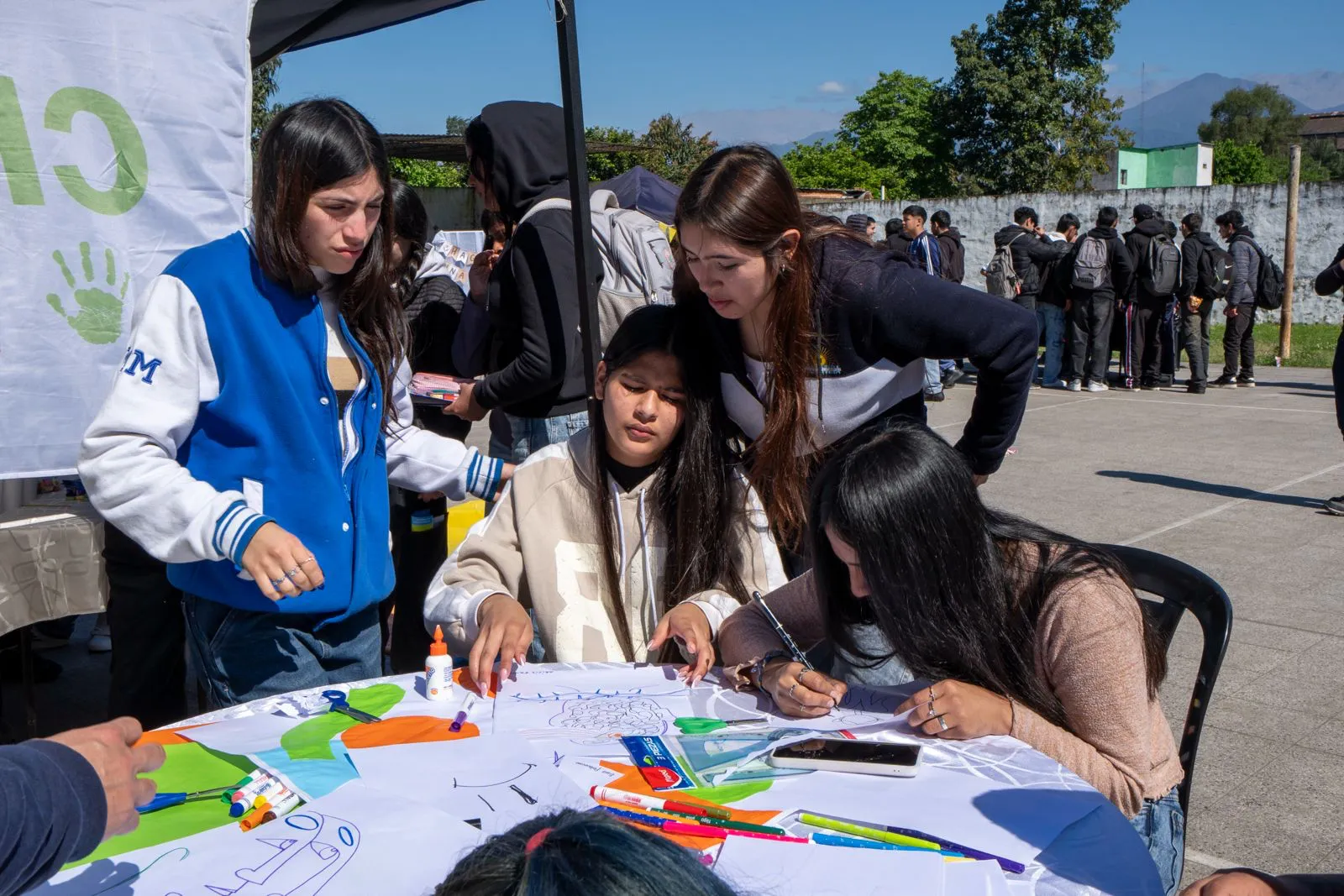
Art also held a central place in the gathering. The Escuela de Arte Popular de Monteros brought live music and a drawing workshop that required no prior experience. Jorge Missart, a teacher at the school, explained that the aim was to convey ideas and feelings through images. Those who dared to draw, sing, or simply be present found in that a form of care as well. Artistic expression and mental health meet when there is a space that makes it possible.
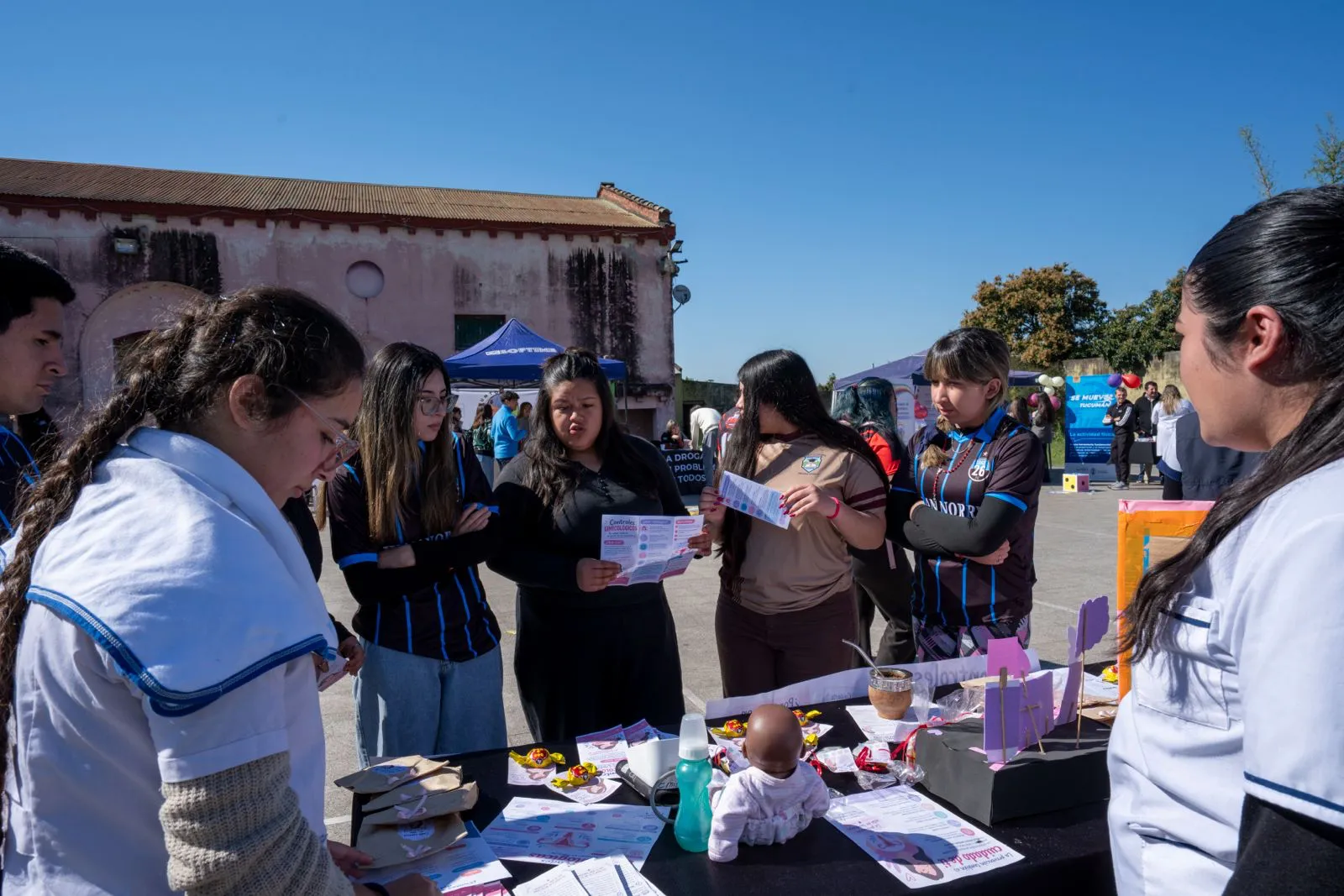
The gathering brought together schools, the Hospital de Santa Lucía, provincial health programs, the Public Prosecutor's Office, community organizations, and private sector companies. Florencia Quiñones, Head of Sustainability at Citromax Group, put it clearly: "a single company cannot reach everyone. You have to join forces and work alongside public institutions." That diversity of actors is not a logistical achievement but the necessary condition for a community mental health strategy to have meaning and continuity.
What was built in Santa Lucía that Tuesday in September was a demonstration of something Tramas has held from the beginning: when a community weaves a network of relationships, institutions, and spaces for listening, adolescents no longer face what is happening to them alone. And in a territory like Santa Lucía, that changes something real.