
How the Lima Norte study contributes to overcoming barriers of distance, fragmentation and revictimization
In the districts of San Martín de Porres, Carabayllo and Puente Piedra, the public protection network responding to child sexual violence has established institutions: Municipal Ombudsman's Offices for Children and Adolescents (DEMUNA), Women's Emergency Centers (CEM), Community Mental Health Centers (CSMC), MAMIS hospital units, police stations, prosecutors' offices and the Special Protection Unit (UPE). Despite this institutional presence, families seeking help often face a fragmented pathway.
Where does care break down, and what is needed for the system to respond in time? This question guides the study prepared by Desarrollo y Autogestión (DYA) in Lima Norte. By bringing together the experiences of mothers and fathers, adolescents attending public schools and frontline practitioners in the three districts, the research shows that administrative, territorial and sociocultural barriers weigh as heavily as a lack of funding.
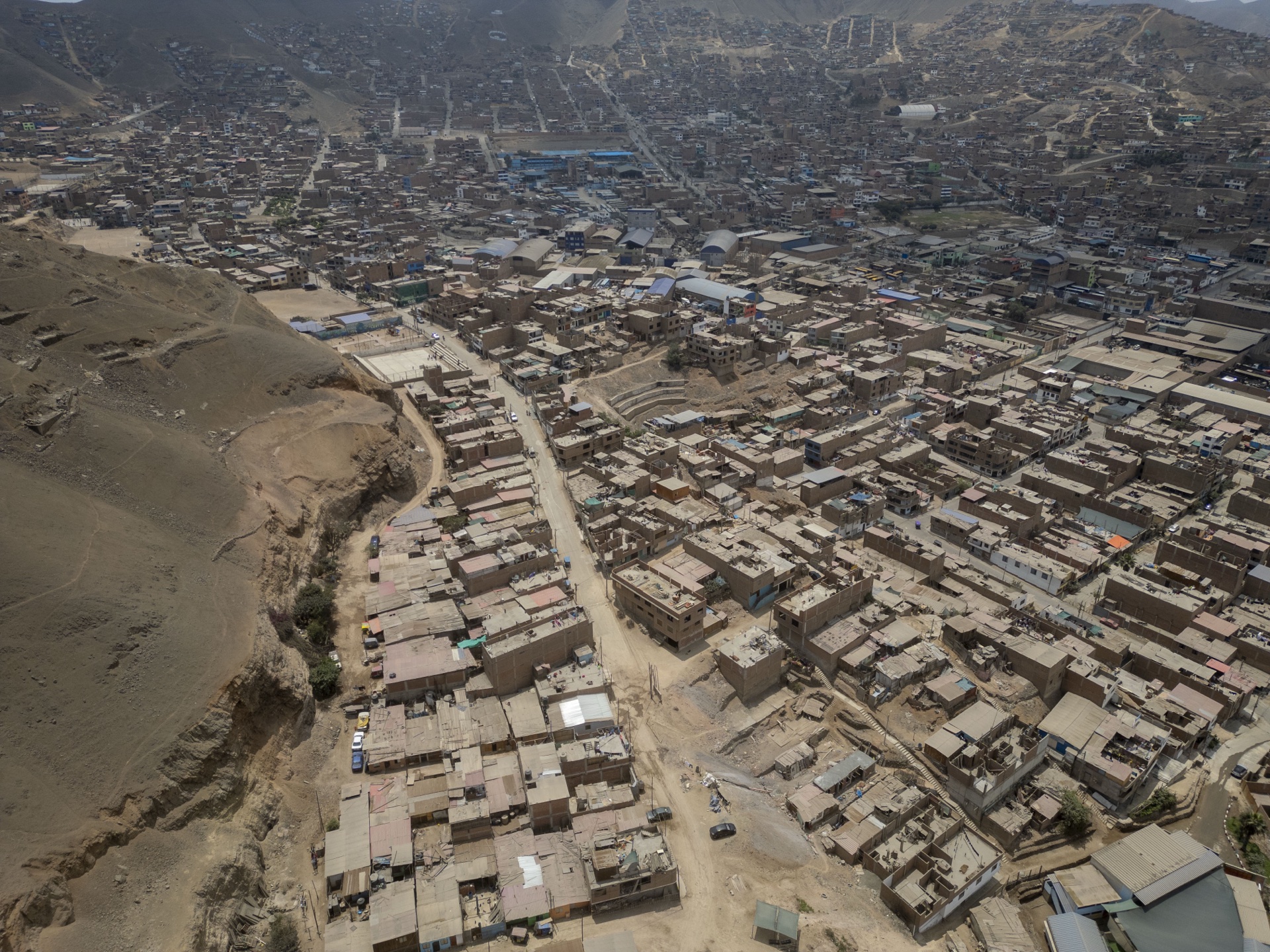
The study's first contribution is to reveal the real cost of distance. For people living on hillsides and in outlying areas of Carabayllo or Puente Piedra, attending multiple appointments at distant offices means transport costs and hours of travel that many families cannot sustain. The document therefore proposes bringing services closer through mobile teams and including transport support in local accompaniment programs.
The second contribution focuses on breaking the isolation between offices. The assessment shows that schools, health facilities, DEMUNA, CEM and prosecutors' offices often intervene as disconnected stages, without a shared record showing what happened after a referral. The study proposes establishing local coordination protocols with clearly assigned responsibilities and case-by-case follow-up.
The third area addresses care during the response. One of the factors that most discourages families and harms children and adolescents is having to recount the same events at different service points. The study documents good practices in supportive care already used by local practitioners and recommends ensuring private listening spaces and the effective use of a single interview to prevent revictimization.
Finally, the research includes children and adolescents themselves as participants in the protection system. Rather than viewing them solely as recipients of help, it proposes strengthening their spaces for organization and consultation, such as the Consultative Councils for Children and Adolescents (CCONNA), so that their assessments of school and neighborhood conditions inform municipal decisions. This approach connects the territorial assessment of Lima Norte with the participatory methodology of the “Voces que Transforman” dossier.
The research is part of the project Transformative Circles: Childhoods and Adolescences Free from Sexual Violence, implemented by DYA Peru in partnership with HIAS and APPV, with funding from the European Union.
Consult the bibliographic entry and download the complete PDF (64 pages) in the Publications section: https://dyaorg.net/en/resources/estudio-acceso-servicios-atencion-abuso-sexual-infantil-lima-norte/