DYA Perú
Voces que transforman: from a Carabayllo workshop to three animations about rights
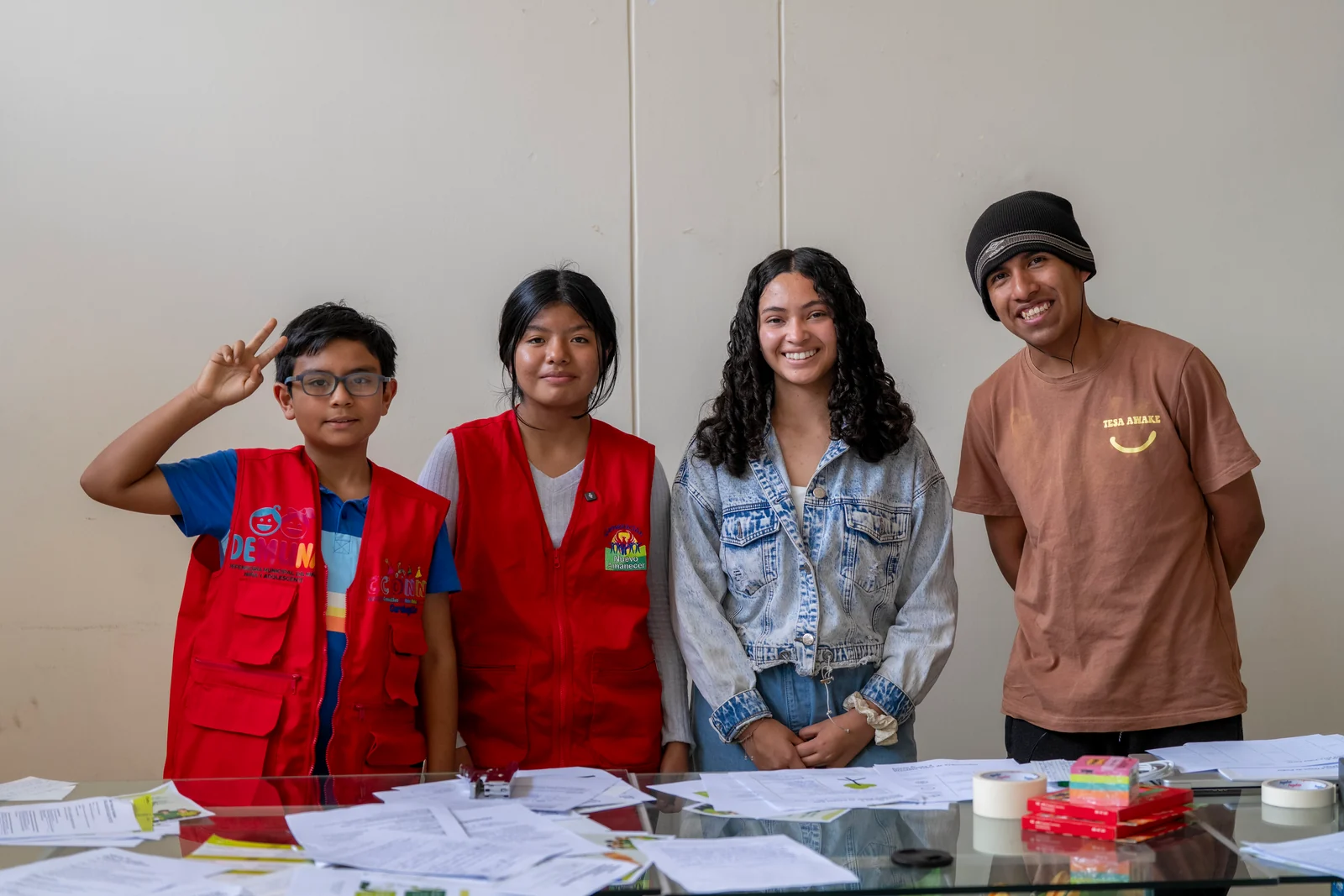
Members of the Carabayllo Consultative Council of Children and Adolescents (CCONNA) and the Nueva Generación organization worked with Desarrollo y Autogestión (DYA) to identify problems in their schools and neighborhoods, develop arguments and prepare proposals. The workshop produced materials and input that later coordination and technical production turned into three animated videos.
The workshop: identifying problems and preparing proposals
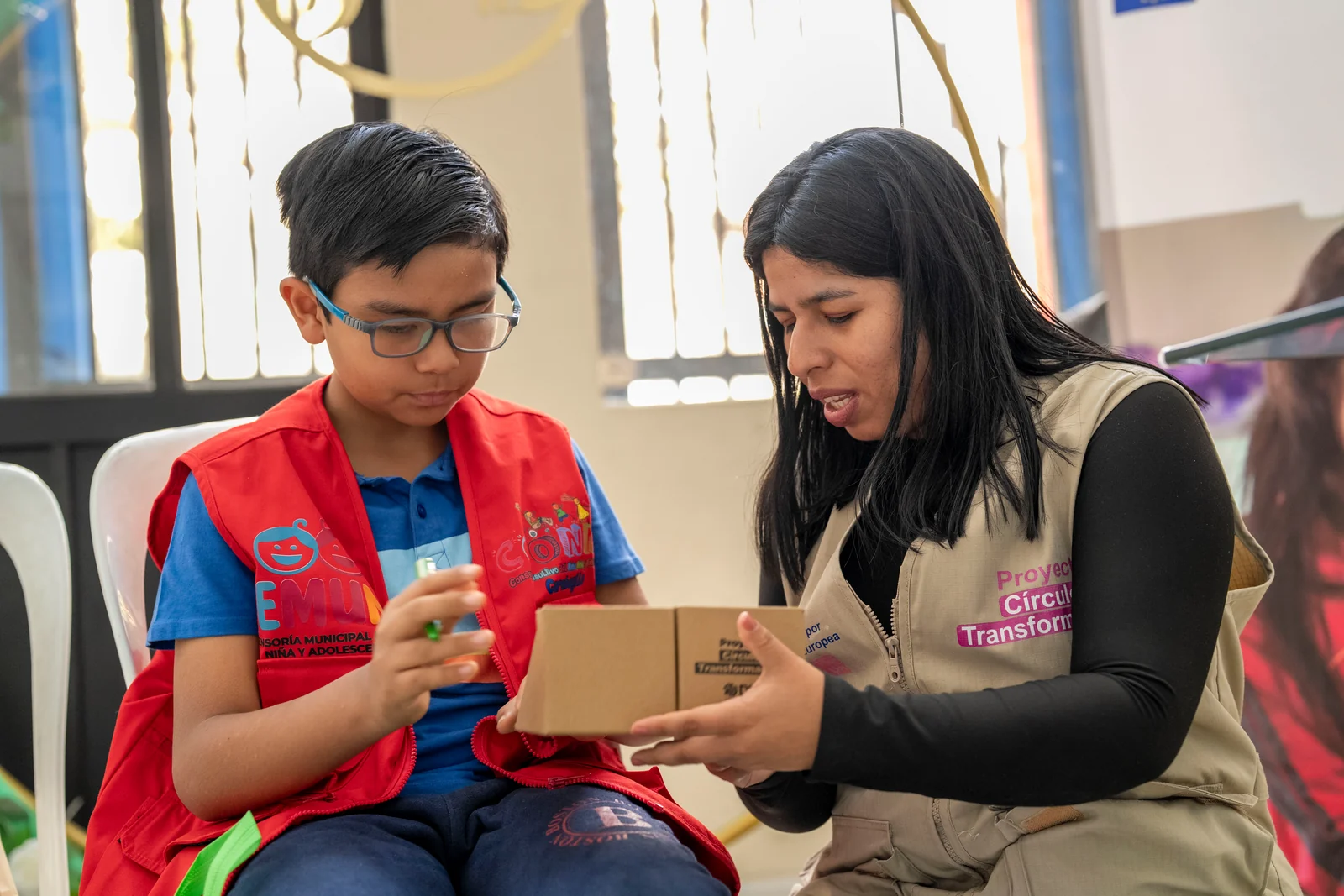
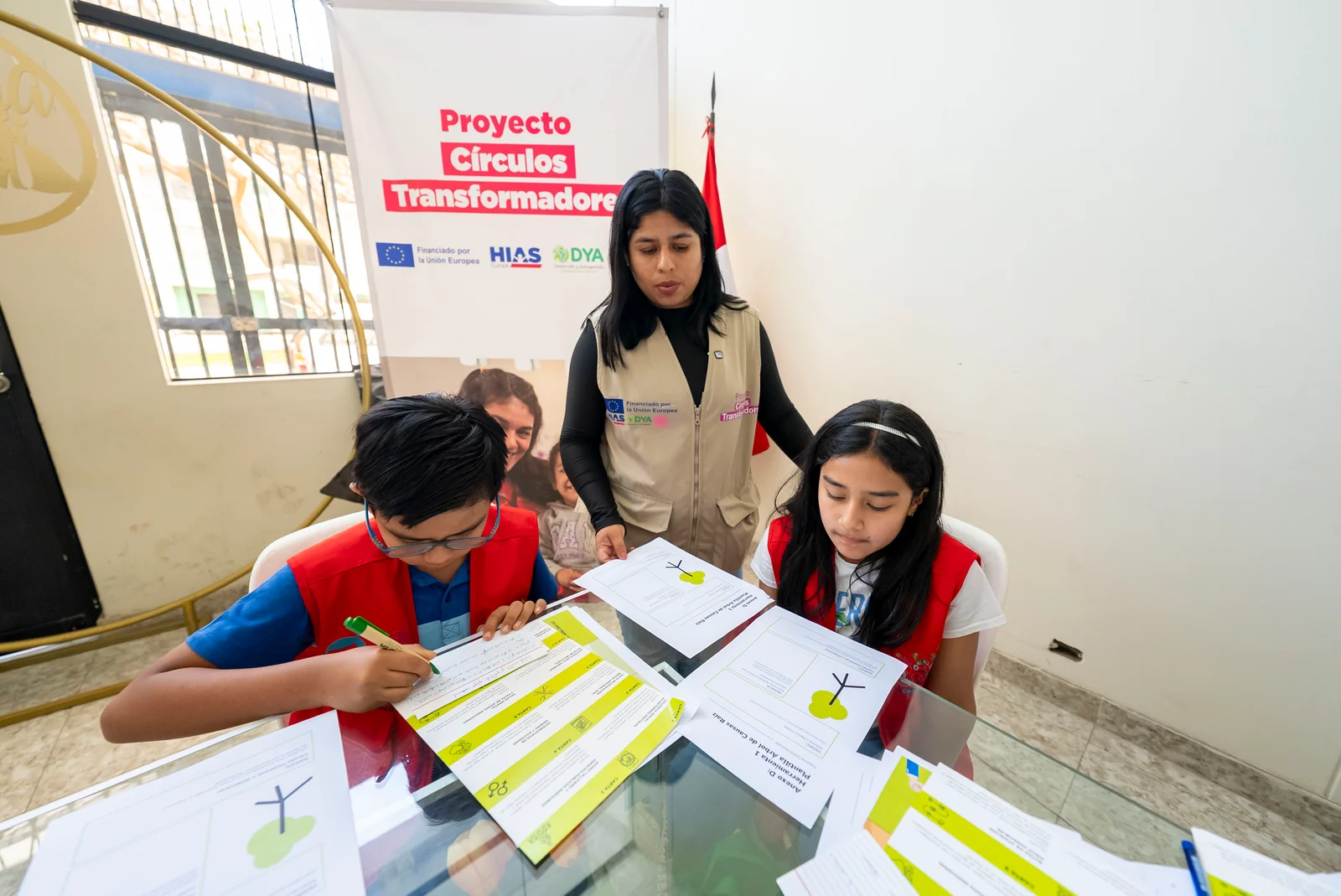
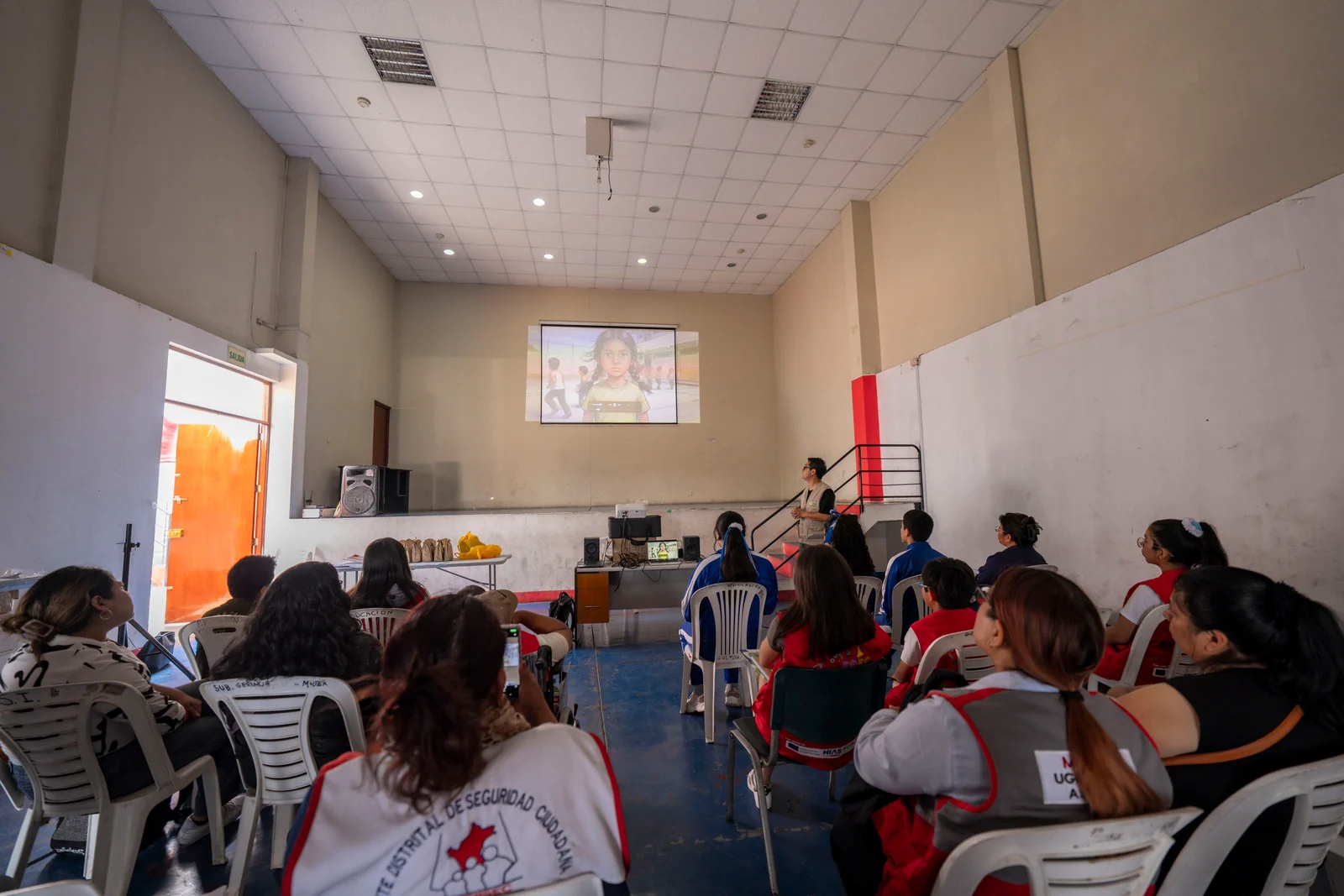
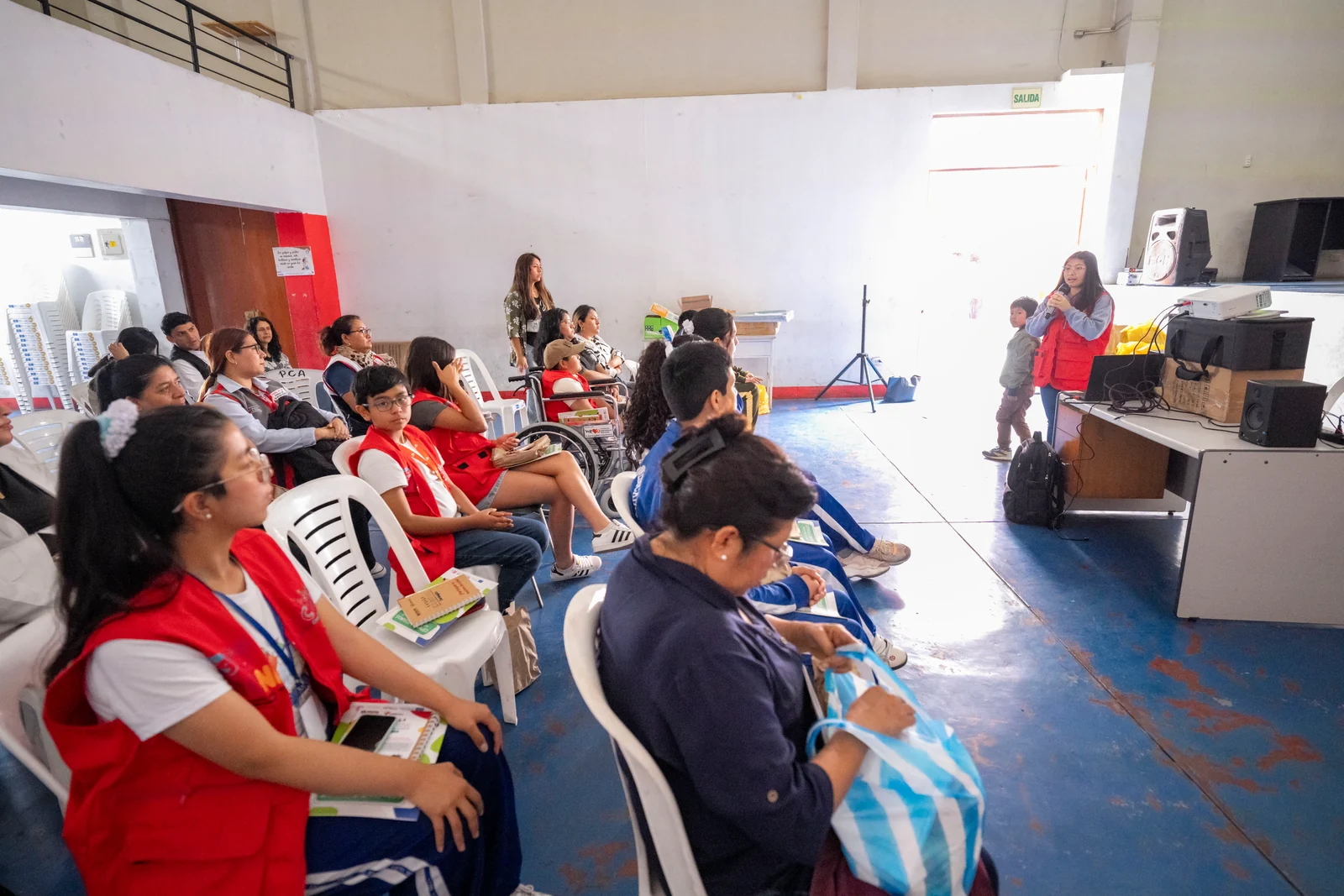
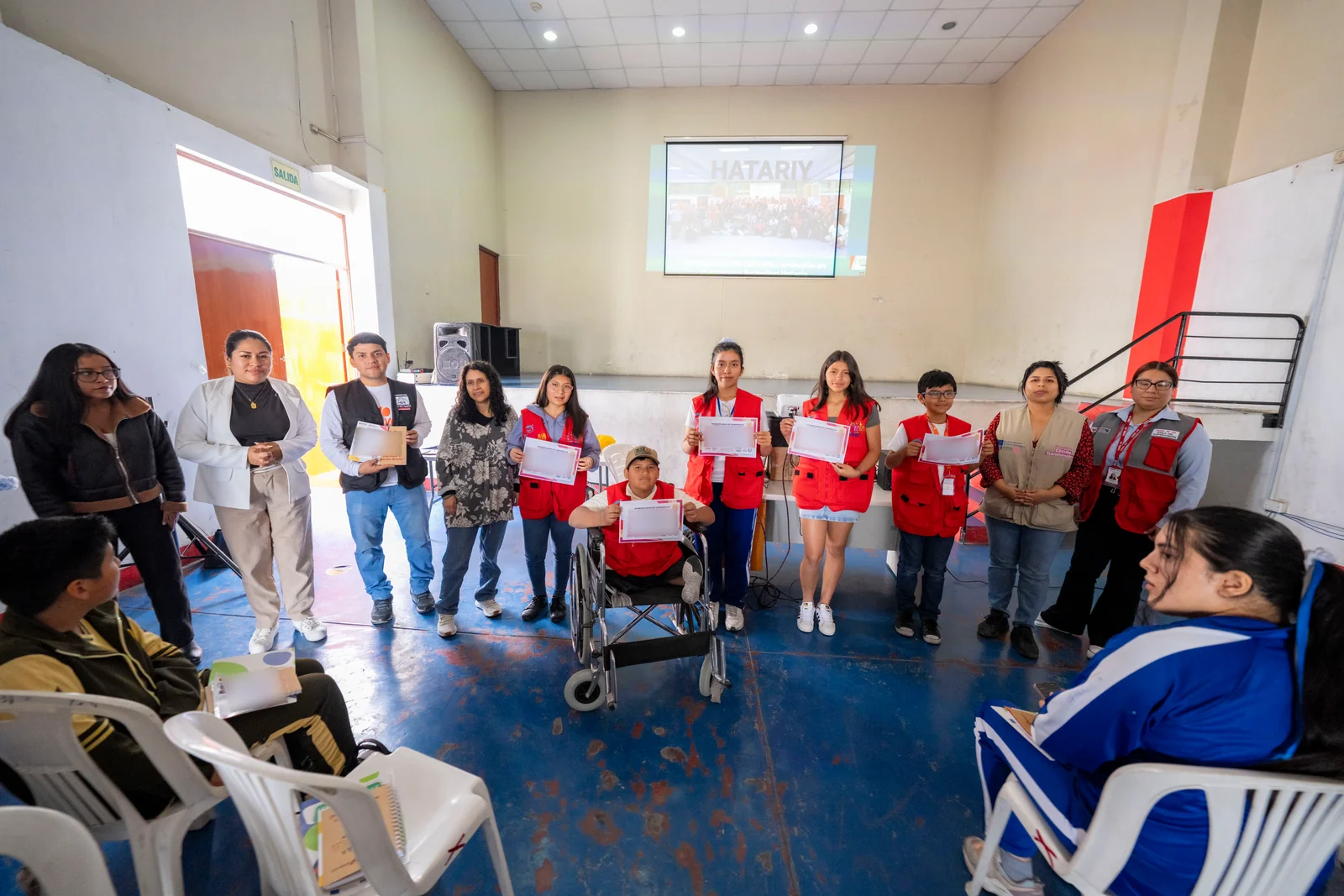
On November 15, 2025, at the Carabayllo Municipal Child and Adolescent Protection Office (DEMUNA), participants used a cause tree to analyze the issues that concerned them. They also mapped stakeholders to identify who could act, their influence and possible allies.
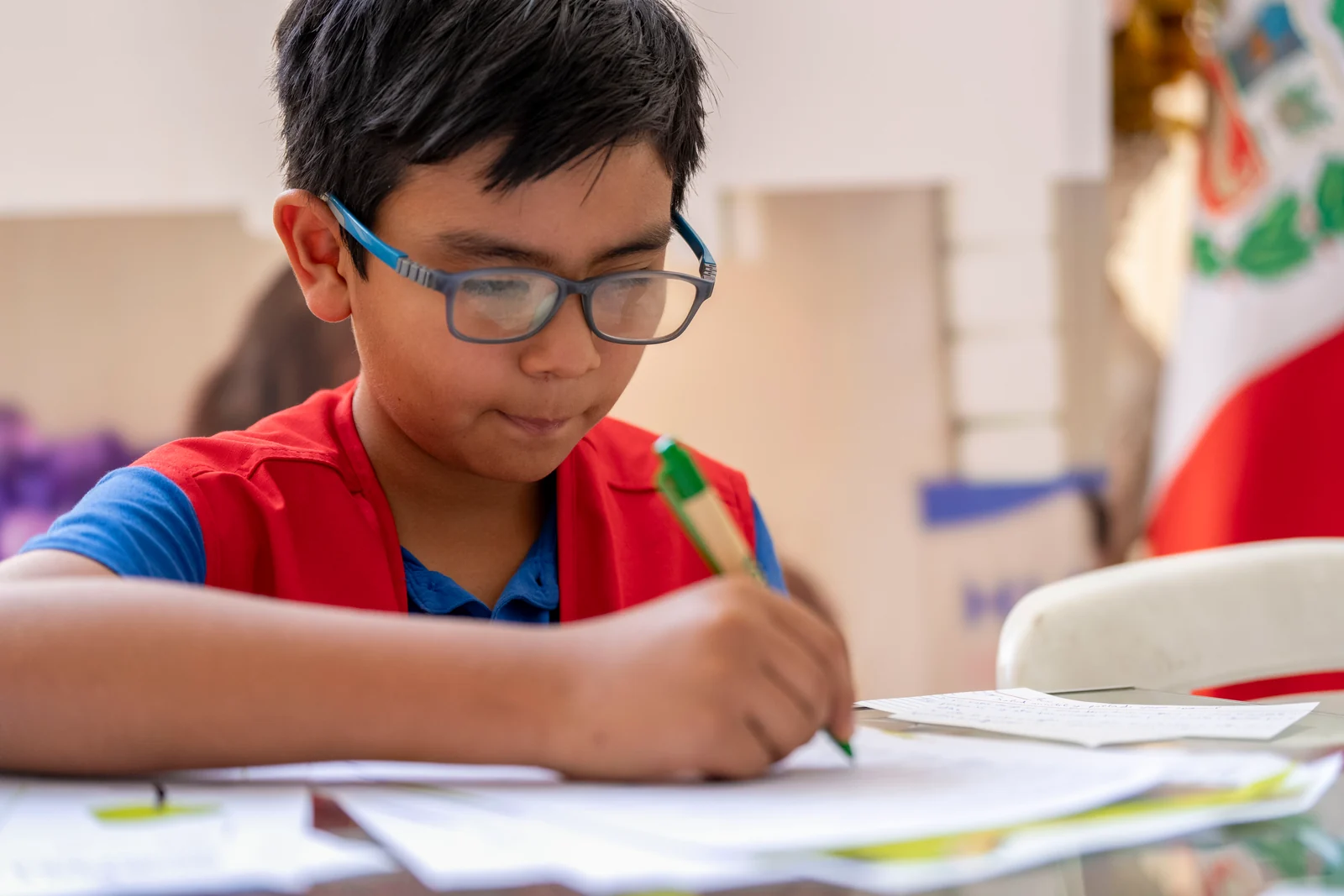
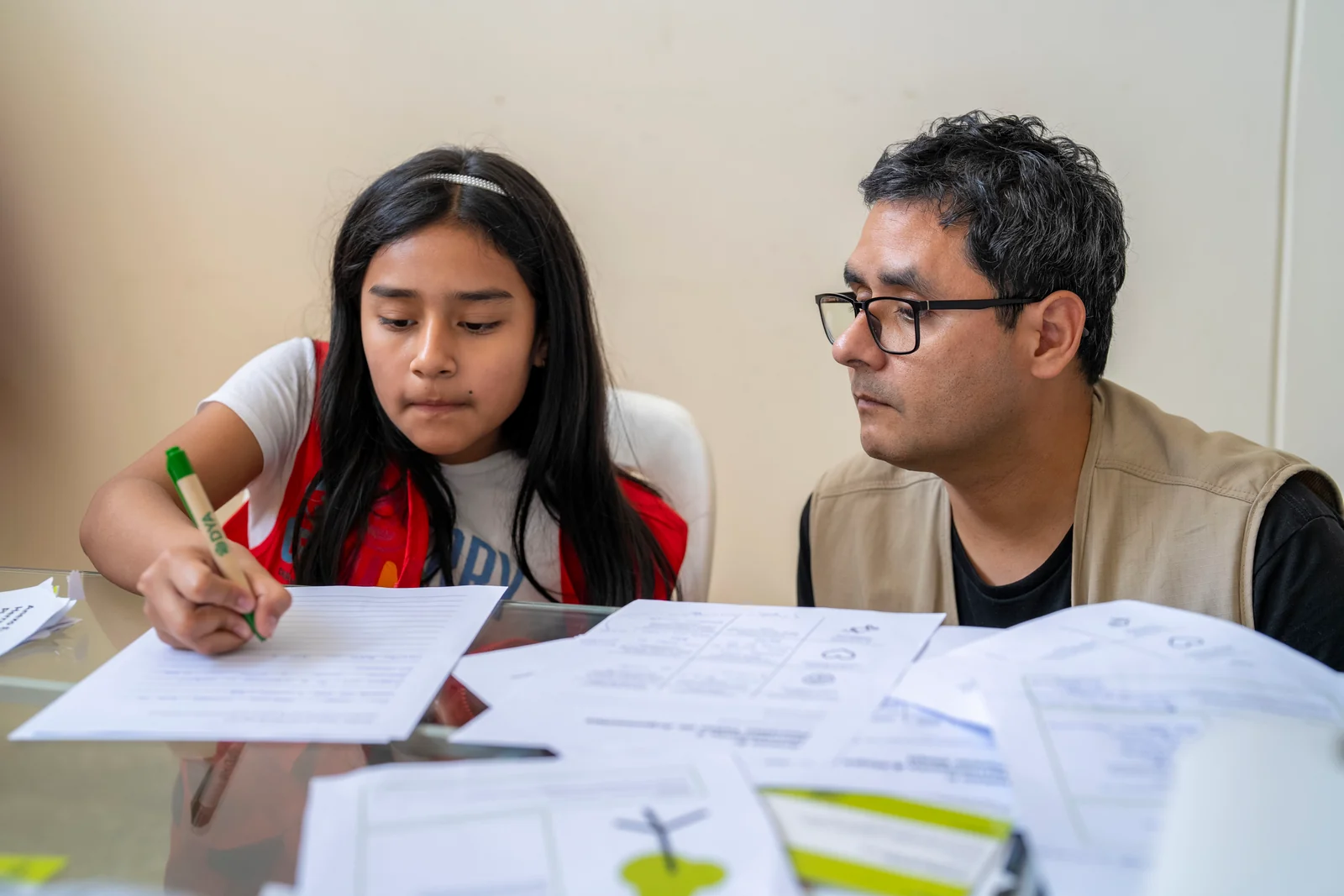
Worksheets and printed materials helped them organize their ideas and prepare messages for families, schools, authorities and the wider community. The session combined reading, writing, discussion and support at the tables.
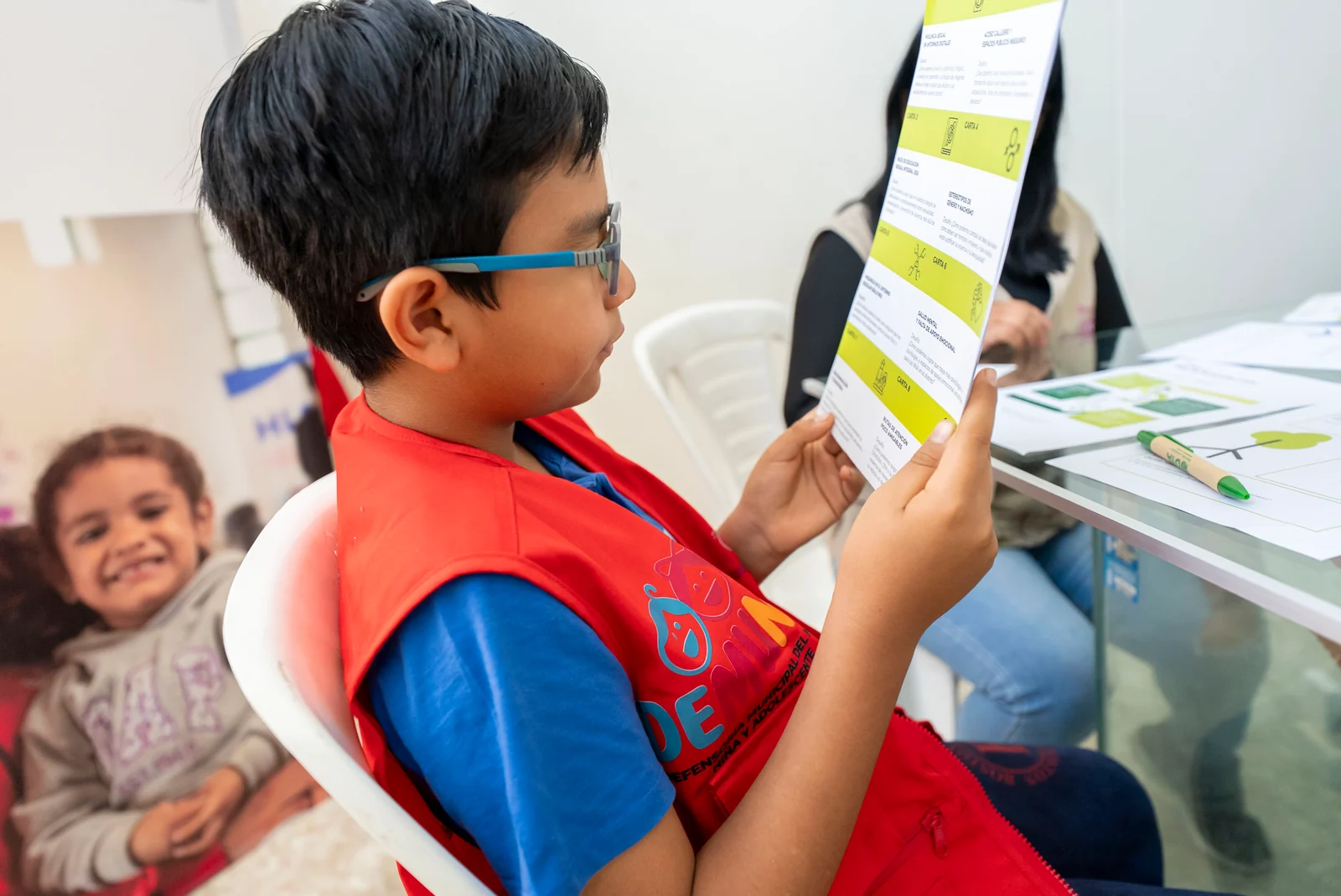
Video of the workshop process
This video presents how the workshop was conducted and how participants were supported. The three animations subsequently developed from its input appear in the products section below.
Public speaking and input for communication products
Public speaking training was one part of the workshop. Through storytelling and short presentation exercises, the adolescents practiced structuring their arguments and communicating their proposals.
Another outcome was a collectively developed Creative Advocacy Matrix, containing a concept, key messages and a first storyboard draft: a sequence of panels to plan a communication product. This provided a basis for the professional production planned after the session.
Follow-up coordination and production
Tasks remained after the workshop: consolidating the creative matrix, coordinating production with the technical team and deciding how to share the material. The work continued through coordination in a WhatsApp group.
The three animations below were subsequently developed from the workshop input. The adolescents' work identifying problems and preparing messages thus connected with a later stage of technical production.
Three animations about rights
Andrea — Childhood anxiety is not a tantrum
The animation portrays the physical sensations of anxiety and how they can affect learning. Its story calls for listening, help and safe spaces when adults minimize a girl's feelings.
Dylan — School violence: why psychologists are missing
The animation examines causes of school violence, including behavior learned at home and the lack of psychological support. It calls for families, neighborhoods and authorities to work together to prevent violence.
María — My accent is my pride: no to xenophobia
The animation addresses discrimination against a girl because of her accent and background. It connects pride in one's identity with knowing one's rights and the need to confront xenophobia and school bullying.
Presenting the products and continuing the process
On November 28, 2025, the Carabayllo Municipal Library hosted the Children's and Adolescents' Day organized by DEMUNA and the CCONNA. DYA presented communication products from the project, explained their messages, objectives and uses, and distributed information about the consultative council's role.
The event recognized the outgoing 2024–2025 CCONNA and included the formal handover to the new 2026–2027 council, with participation from UGEL 04 and other local institutions. The products and materials were part of this process of transition and continuity in the council's work.
A methodology to consult and apply
The experience illustrates diagnostic, argumentation and public speaking tools presented in the Voces que Transforman methodological dossier. The available edition includes facilitation guidance and practical annexes.
For further context, the Study on Access to Child Sexual Abuse Care Services in North Lima examines barriers to care in the area.
The experience took place under Transformative Circles, implemented by DYA Peru and APPV, with support from HIAS Europe and funding from the European Union.