
Adolescent mental health in Argentina, what the data show and what is being done in the territory
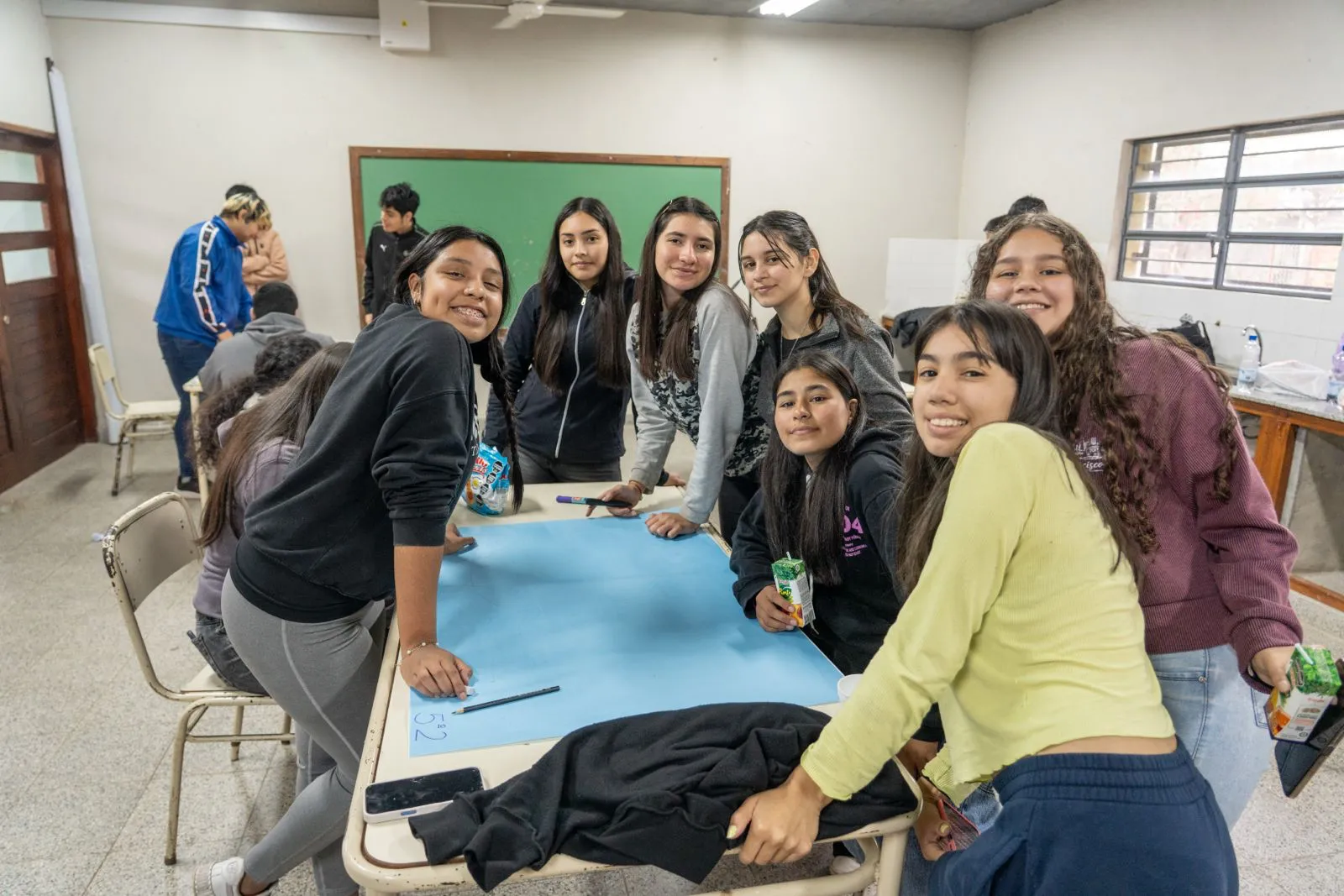
When a community fragments, adolescents experience distress alone. In Santa Lucía, Tucumán, health, education, and justice have organized to stay attentive, and young people themselves take part in designing the response.
The mental health of Argentine adolescents has been affected in recent years. A UNICEF Argentina survey conducted during the pandemic, in July 2020, found that 26.8% of the adolescents surveyed felt distressed and 11% felt depressed. The care gap persists in the region, where only 2 out of 10 people with a mental health problem receive treatment, according to the Pan American Health Organization (PAHO). Mortality statistics show how serious the situation is. In 2024, suicide was the second leading cause of death among 15 to 19-year-olds in Argentina and accounted for 14.7% of deaths in that group, according to UNICEF’s Monitor on adolescent suicide.
Mental health care reaches territories unevenly. In Santa Lucía, Monteros department (Tucumán), where DYA has worked since 2019, there is only one psychologist for the entire area and secondary schools have no interdisciplinary counseling teams. It is a sugar-producing town that went through a deep crisis, with families who are away for three to five months a year for seasonal work and a history of repression that left distrust toward institutions. According to DYA’s Child and Adolescent Labor survey, 7 out of 10 schooled adolescents in rural areas of Tucumán work for the market.
When the community fragments and social bonds weaken, adolescents face two major absences. They lack trusted adults to turn to, and they lack life projects they can imagine. A life project becomes imaginable when there are concrete opportunities and available adults who make room for doubts without rushing to answers. Without those conditions, distress is lived in solitude.
Specialists agree that suicide is a multicausal phenomenon that can be prevented in most cases through a response that involves more sectors than health alone. That idea is the starting point of the Tramas Project, the initiative DYA carries out in Santa Lucía together with the Tucumán Ministry of Health.
How Tramas works
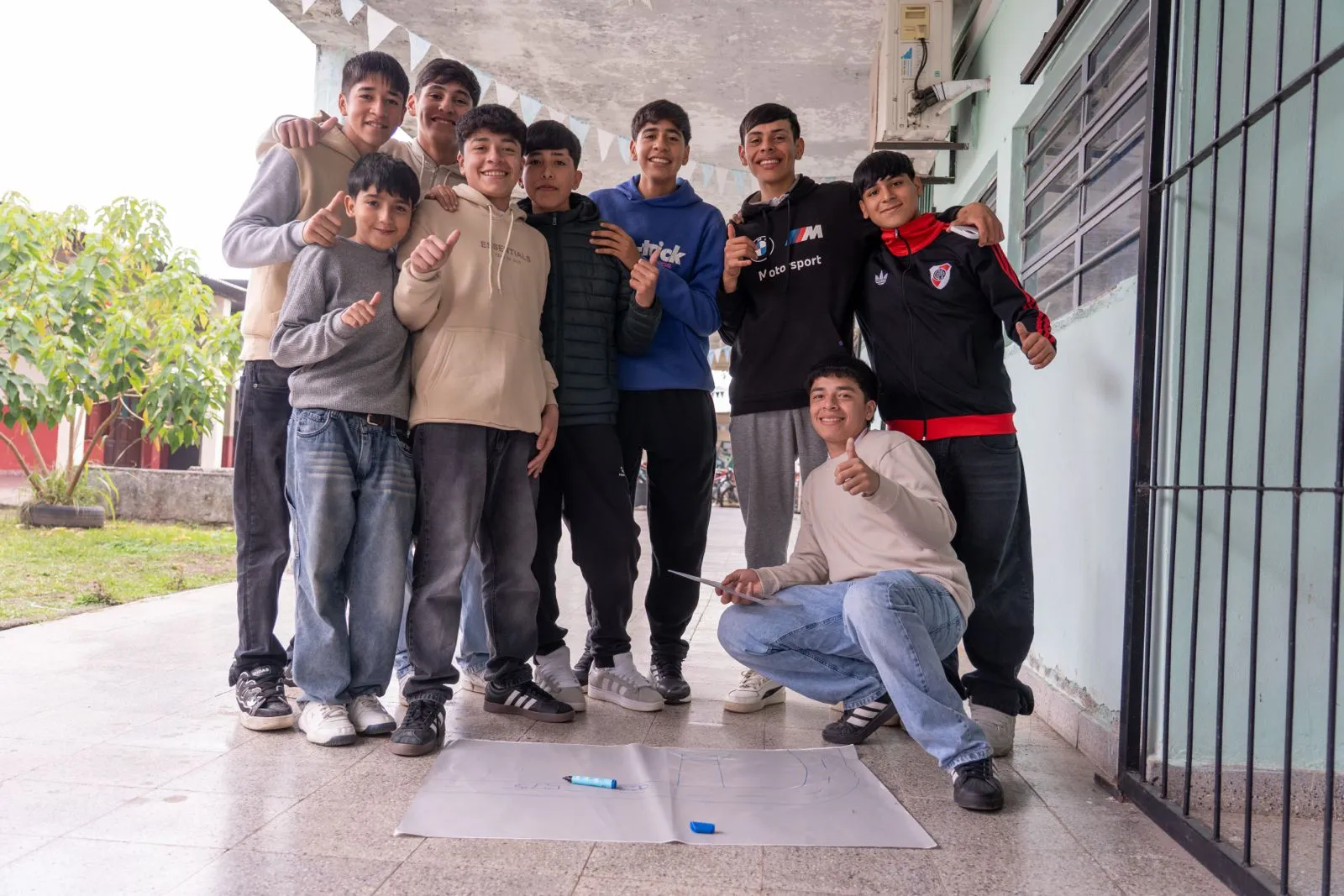
The Tramas Project: Strengthening Social Bonds, which began in April 2026, is building in Santa Lucía a network in which health, education, justice, and community organizations share responsibility for caring for adolescents. Every month, its members meet to reflect on their role in the community, taking young people’s life paths into account, to identify which resources exist and which are missing, and to agree on how to respond when a situation requires it. The institutions prepare together, with training and reflection on the role of adults, to stay alert to signs of distress and to offer support and timely referral to health services.
Adolescents take part in this process from the start. Around 60 students from the Escuela Técnica Hilda Guerrero de Molina are taking part in workshops where they proposed working on content to prevent violence in digital environments and in relationships, which they recognize as an everyday reality that affects the dynamics of bonding and the ways they communicate. In September, 150 adolescents from different schools shared a day with more than 20 institutions. Each meeting allows the adults in the network to get to know them better, and the young people to recognize who they can turn to.
The evidence gathered by PAHO indicates that countries that sustain comprehensive strategies over several years, with a focus on early detection and timely referral, can reduce their suicide rates by around 20%. Tramas works with that logic at the scale of a single community. An adolescent who knows who to turn to, who has a place to be heard, and who can imagine what comes next has more resources to get through difficult moments.