
The learning crisis, a reality that cannot wait
A crisis of enormous proportions
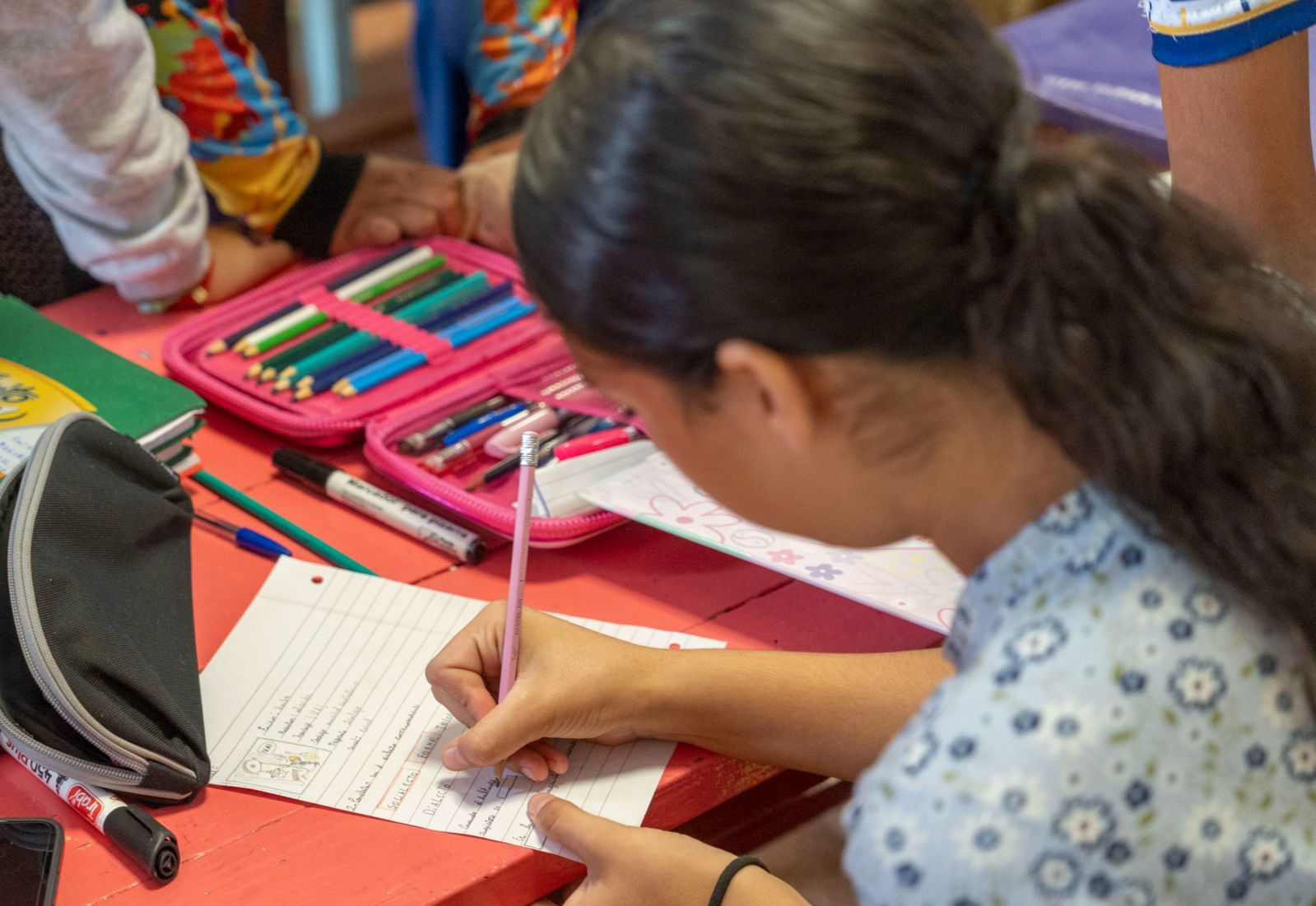
We are facing a silent crisis in education systems across Latin America. This is not a crisis on the horizon but one that is happening right now, in every classroom where children cannot read or have not acquired the skills they should already have, and where adolescents finish primary school without the basic skills to navigate a digital world. The pandemic did not set off this crisis. It only worsened it and made it visible in different ways. The results of the PISA 2025 assessment show that a very high proportion of students complete their schooling without the basic skills they need for their academic, personal and professional development (IDB, 2026; OECD, 2026).
The specialized literature defines learning loss as any deterioration in students’ knowledge or skills, including the slowdown or interruption of academic progress due to various causes and prolonged interruptions in formal education (UNESCO, 2024). If we relate this concept to the historical series of learning outcomes in the education systems of Argentina, Ecuador and Peru, the countries where DYA works, we can conclude that learning loss results from a gradual accumulation of gaps in the skills that children and adolescents should acquire from the moment they enter the school system. The closure of in-person schooling during the pandemic did nothing more than exacerbate that situation and expose the drama it entails.
The statistics are devastating and worsen every year. Before the pandemic, the outlook was already bleak. In Peru, 51% of students in the last year of primary school did not reach the minimum level of reading skills. In Argentina, 52.1% of students reached only level 1 or fell below it in the PISA 2022 tests, and in Ecuador this figure rose to 73.9%. In mathematics the situation was even worse, with 61.1% of students in Argentina and 73% in Peru falling below level 2. In Ecuador, 77.1% also failed to reach the minimum level of skills (UNESCO, 2021-2022).
But what came afterward turned the crisis into a catastrophe. The most recent assessments show that in Peru only 12.7% of students in the last grade of primary school achieve the expected learning in mathematics, and just 24.9% in reading. Ecuador shows a similar decline according to the Ser Estudiante tests, with performance consistently below satisfactory levels. In Argentina, the Executive Report of UNESCO’s post-pandemic ERCE (2025) states that in 6th grade 83% of students do not reach the expected level in mathematics and 65.5% do not reach it in reading. When urban and rural results are compared, the picture is even more discouraging. In sum, we are talking about millions of children condemned to a future of exclusion. In a world where reading comprehension and critical analysis are essential passports to participate in digital society, these children are falling behind in an almost irreversible way. Learning losses are not only statistics gathered in official reports. They are truncated life paths, wasted human potential and perpetuated inequity.
Faced with this educational emergency, no sustained national strategies for learning recovery can be found. Catch-up programs, where they exist, are patches that are entirely insufficient given the magnitude of the problem. State responses have been insufficient, fragmented and without encouraging results, as the daily life of schools makes clear. Authorities must choose between promoting students without basic skills or condemning them to repetition and eventual dropout. Teachers lack the tools and training to address the massive learning lag, or are pressed by excessive bureaucratic demands, so they must “set some students aside so that others do not fall behind” under the requirement to cover the curriculum.
Schools and teachers that do respond, lessons from the field
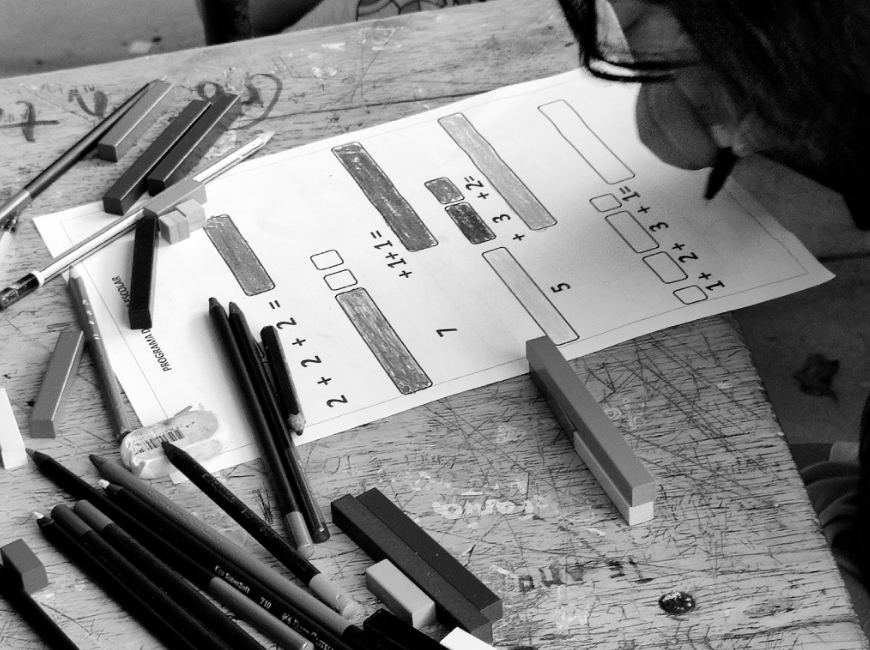
Amid this discouraging picture, institutional responses are emerging that show another path is possible. In recent years, DYA has documented experiences in hundreds of schools where, against all odds, innovative strategies for recovering learning are being developed. These experiences show that:
- Recovery is possible when the magnitude of the problem is recognized and action is taken with urgency.
- Solutions are effective when they are flexible and contextualized, rather than standardized recipes.
- The participation of the education community, including students themselves, is essential, especially in identifying real learning needs.
- Interventions deliver results when they are sustained over time rather than sporadic.
- Teachers, in order to act, need concrete tools for multilevel teaching and differentiated attention.
- Priority should be given to schools where children show severe learning losses.
- Effective solutions that work deserve to be scaled up and to guide the design of public policy, so that they do not end up as isolated experiences.
An urgent call
Equity in education has multiple dimensions that converge in a widely agreed paradigm, which is to guarantee that all children and adolescents have the same opportunities to access the learning that allows them to stay in school and complete secondary education. This implies an obligation for States to ensure that everyone reaches fundamental skills (above all in reading and mathematics), which will open opportunities for real improvement in the population’s living conditions. Today, reading comprehension and critical analysis are fundamental skills, all the more so now that the planet has moved into the digital sphere, and lacking them is an immense disadvantage that translates into more inequity.
Faced with the emergency of the learning crisis, ministries of education must generate concrete and urgent responses that integrate the voice and experience of the education community. International cooperation, for its part, must prioritize and redirect funds and efforts toward learning recovery, and civil society and the private sector must become active parts of the solutions this emergency demands.
The priority of public education policy must be placed, more than ever, on addressing the learning loss that affects most of the children and adolescents who attend schools in the region. This attention entails two challenges. The first is to promote short-term catch-up alternatives for those who have lost all or almost all of their learning. The second is to encourage structural changes in the medium term that correct the progressive accumulation of unacquired learning. Both challenges are two sides of a crisis that can no longer wait.
DYA Editorial Team